The Engineering of Resilient Pedestrian Surfaces
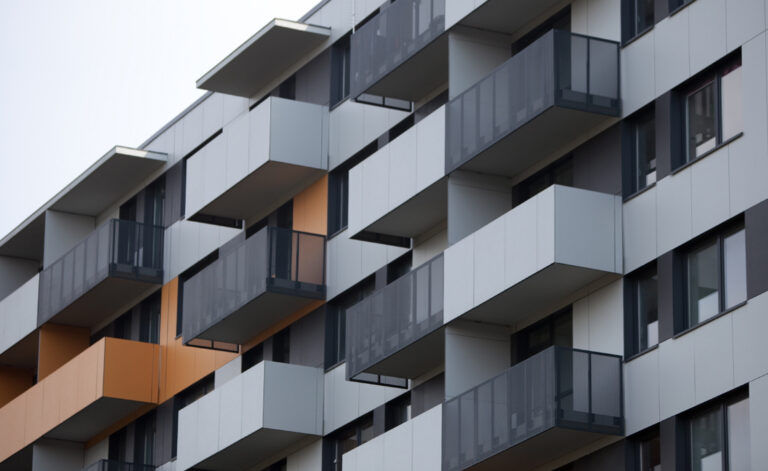
Best traffic bearing coatings for balconies the balcony, as a cantilevered or projected structure, represents one of the most demanding environments in modern construction. Subjected to the relentless cycle of thermal expansion, moisture ingress, ultraviolet radiation, and mechanical abrasion, the surface layer of a balcony is rarely just a decorative element; it is the primary line of defense for the underlying structural assembly. When this surface fails, the resulting damage to the concrete substrate—often unseen until it reaches a critical, hazardous stage—is not merely an aesthetic grievance but a severe structural liability.
The selection of a protective membrane requires a sophisticated understanding of mechanical durability and material chemistry. It is not sufficient to simply apply a high-strength coating; the solution must harmonize with the elasticity of the substrate and the specific environmental stressors of the site.
Professional evaluation of these systems demands a rigorous analysis of elongation properties, tensile strength, and bond-to-substrate dynamics. By deconstructing the performance requirements of these surfaces, one can navigate the complex landscape of modern membrane technology to select systems that ensure long-term structural integrity.
Table of Contents
Understanding “best traffic bearing coatings for balconies”
The determination of the best traffic bearing coatings for balconies is not a static calculation but a context-dependent analysis. The “best” system is the one that successfully manages the specific thermal movement of the building’s frame while maintaining a hydrostatic seal against precipitation. A common misunderstanding in this sector is the prioritization of hardness over flexibility. While hard surfaces may resist scratching, they are inherently prone to cracking when the substrate experiences the micro-movements caused by building settling or thermal expansion.
Oversimplification in this field often leads to systemic failure. For instance, applying a rigid epoxy coating intended for interior laboratory floors to an exterior, cantilevered balcony is a recipe for rapid delamination. Because the exterior environment imposes vastly different stresses—specifically, freeze-thaw cycling—the membrane must be capable of significant elongation. Understanding these dynamics is essential for project managers who aim to avoid the premature failure of coating systems and the subsequent, highly expensive remediation of the concrete below.
Deep Contextual Background
Best traffic bearing coatings for balconies historically, balcony surfaces were addressed using rudimentary waterproofing, such as thin membranes covered with pavers. These systems were notoriously difficult to inspect, as the membrane was buried, often allowing leaks to persist for years before detection. The evolution toward liquid-applied, pedestrian-traffic-bearing membranes has shifted the industry toward a transparent, inspectable model.
Conceptual Frameworks and Mental Models Best Traffic Bearing Coatings For Balconies
-
The Elasticity-Durability Curve: A model that plots the inversely proportional relationship between a material’s hardness and its ability to bridge small, naturally occurring structural cracks.
-
The Hydrostatic Pressure Gradient: A framework for evaluating the membrane’s ability to resist the force of water that may become trapped between the substrate and the coating, leading to osmotic blistering.
-
The Life-Cycle Performance Index: A method of calculating the total value of a coating based not on initial installation cost, but on the projected interval between re-coatings and the ease of surface restoration.
Key Categories or Variations
Deciding between these options requires analyzing the project’s downtime constraints. For instance, in occupied residential buildings, a fast-curing polyaspartic system is often preferred to minimize tenant disruption, whereas a multi-layered polyurethane system is superior for long-term structural movement on large-span decks.
Real-World Scenarios and Decision Logic Best Traffic Bearing Coatings For Balconies
-
High-Traffic Apartment Complexes: The constraint is speed of application and resistance to mechanical wear.
-
Coastal Residential Balconies: The primary threat is UV-degradation and salt-air corrosion. The decision point is the aliphatic nature of the coating. Using a non-aliphatic material here would lead to rapid chalking and eventual failure of the bond.
Planning, Cost, and Resource Dynamics
The economic analysis of these systems must account for the high cost of failure. Applying an inexpensive, low-performance membrane that fails in three years will always be more costly than installing a premium system that lasts for twelve.
Tools, Strategies, and Support Systems Best Traffic Bearing Coatings For Balconies
-
Relative Humidity (RH) Probes: Essential for ensuring the substrate is below 4% moisture before application, preventing trapped vapor from bubbling the membrane.
-
Shot-blasting Equipment: The gold standard for achieving the correct surface profile (CSP) required for long-term adhesion.
-
Quartz/Aggregate Reinforcement: Adding aggregate into the membrane increases mechanical durability and provides essential slip resistance.
-
UV-Stable Aliphatic Topcoats: These are critical for preventing the yellowing and brittleness associated with long-term sun exposure.
Risk Landscape and Failure Modes
The primary taxonomy of failure begins with “adhesion-related delamination,” often caused by improper cleaning or moisture content in the slab. This is followed by “mechanical puncture,” where sharp objects compromise the membrane, and “osmotic blistering,” a chemical failure caused by entrapped water pushing against the underside of the coating. Each of these risks is compounding; once the membrane is compromised, the entire balcony structure begins a process of accelerated carbonation and rebar oxidation.
Governance, Maintenance, and Long-Term Adaptation Best Traffic Bearing Coatings For Balconies
Maintenance for these systems is not reactive; it is preventative. A successful governance model includes a “service-life” registry. This registry documents the specific chemical formulation, the batch numbers, and the humidity conditions at the time of application.
-
Layered Maintenance Checklist:
-
Annual inspection of joint seals (the weakest point in any system).
-
Cleaning schedule to remove debris that holds moisture against the surface.
-
Biannual testing for “hollow spots” using a hammer-tap method.
-
Verification of drainage efficacy—ensure that the slope remains intact and water exits the balcony as intended.
-
Measurement, Tracking, and Evaluation
Leading indicators of a system’s health include the consistency of the coating’s sheen and the presence of any physical “dips” that suggest the concrete is spalling beneath the membrane. Documentation examples include photos taken during the “prep-to-prime” phase, adhesion test reports (pull-off testing), and the final dry-film thickness (DFT) measurements.
Common Misconceptions and Oversimplifications Best Traffic Bearing Coatings For Balconies
-
“One coat is enough”: Almost all high-performance systems require at least two distinct layers to ensure a pinhole-free membrane.
-
“Painting is the same as coating”: Paints offer aesthetic coverage; traffic-bearing coatings offer structural water-shedding protection.
-
“Surface washing is adequate prep”: Washing removes dust, but mechanical abrasion is the only way to open the concrete pores for true chemical anchoring.
-
“Flexible coatings are too soft”: Modern aliphatic polymers achieve a remarkable balance between high-tensile strength and elasticity.
Ethical and Contextual Considerations
The responsibility to provide a safe, waterproof surface for an elevated structure is profound. Professionals must prioritize safety, even when clients advocate for cheaper, aesthetically focused alternatives. The engineering of these systems is a duty of care, ensuring the longevity of the building and the safety of the occupants who use these elevated spaces daily.
Synthesis and Strategic Judgment Best Traffic Bearing Coatings For Balconies
Choosing the best traffic bearing coatings for balconies is a balancing act of material science and environmental assessment. By prioritizing systems that offer monolithic water-tightness and sufficient elasticity to handle structural movement, one creates a protective layer that lasts for decades rather than years. Success depends on the rigorous application of these principles, from the initial surface profile to the final topcoat, ensuring that the balcony remains a durable and functional asset to the structure.