The Best Uncoupling Membrane Options for Balcony Tiles: A Technical Reference
Best uncoupling membrane options for balcony tiles the failure of exterior tiled assemblies is rarely a singular event; it is almost always the culmination of long-term stresses exerted by thermal expansion, moisture migration, and structural deflection. When ceramic or stone tiles are bonded directly to a concrete balcony substrate, they become part of a monolithic system. Because the tile, mortar, and substrate possess different coefficients of thermal expansion, the inevitable differential movement manifests as cracking, tenting, or complete delamination.
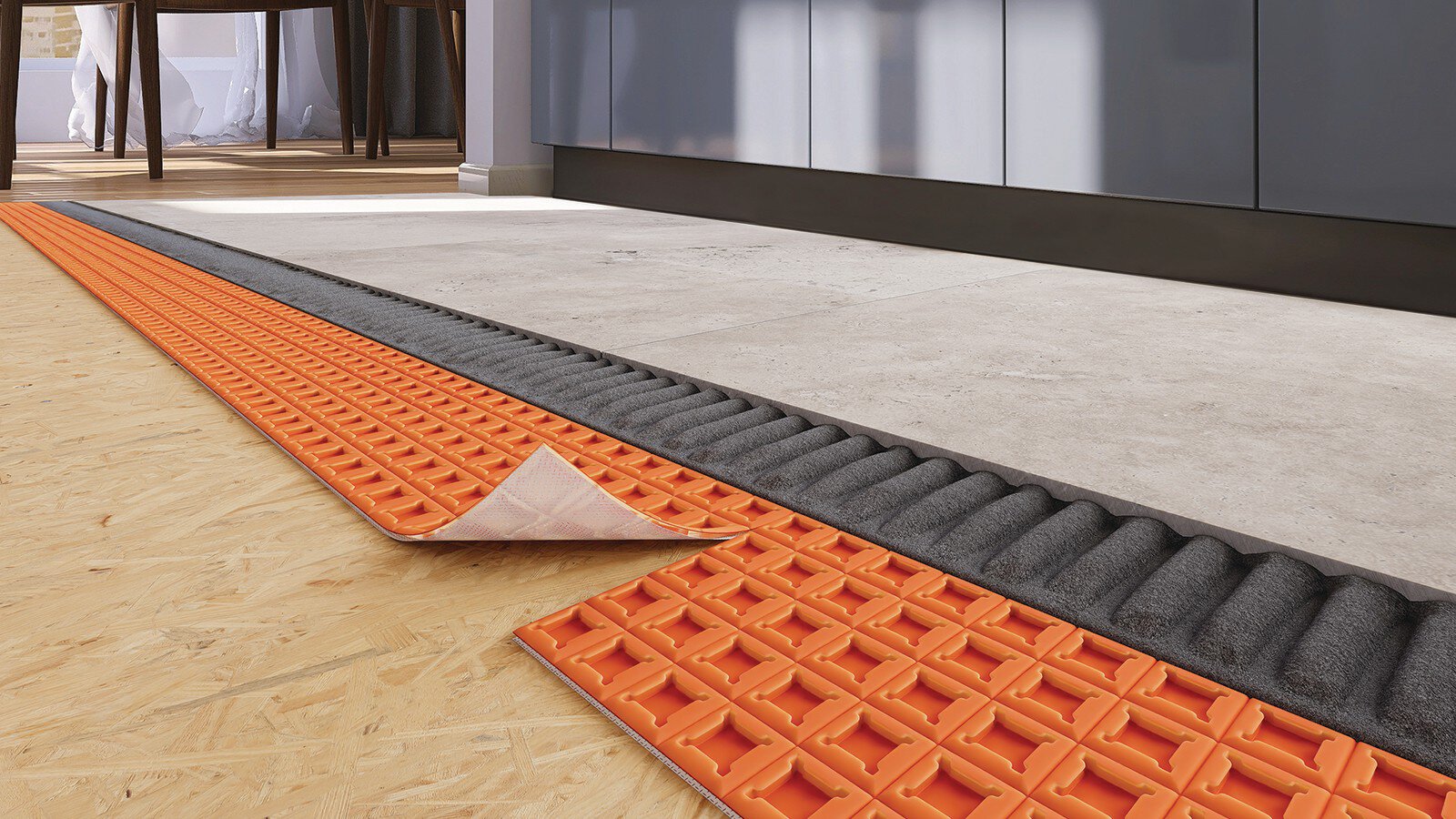
Uncoupling membranes have emerged as the standard solution to this systemic vulnerability. By introducing a mechanical layer that permits independent movement between the substrate and the tile assembly, these systems neutralize horizontal shear stresses.
Selecting an appropriate membrane requires more than matching a brand name to a budget. It demands an appreciation for vapor pressure, drainage dynamics, and the specific chemical compatibility between mortars and membranes. This article deconstructs the engineering requirements of balcony assemblies, moving beyond marketing claims to provide a rigorous framework for evaluating the most durable and reliable options currently available.
Table of Contents
Understanding “best uncoupling membrane options for balcony tiles”
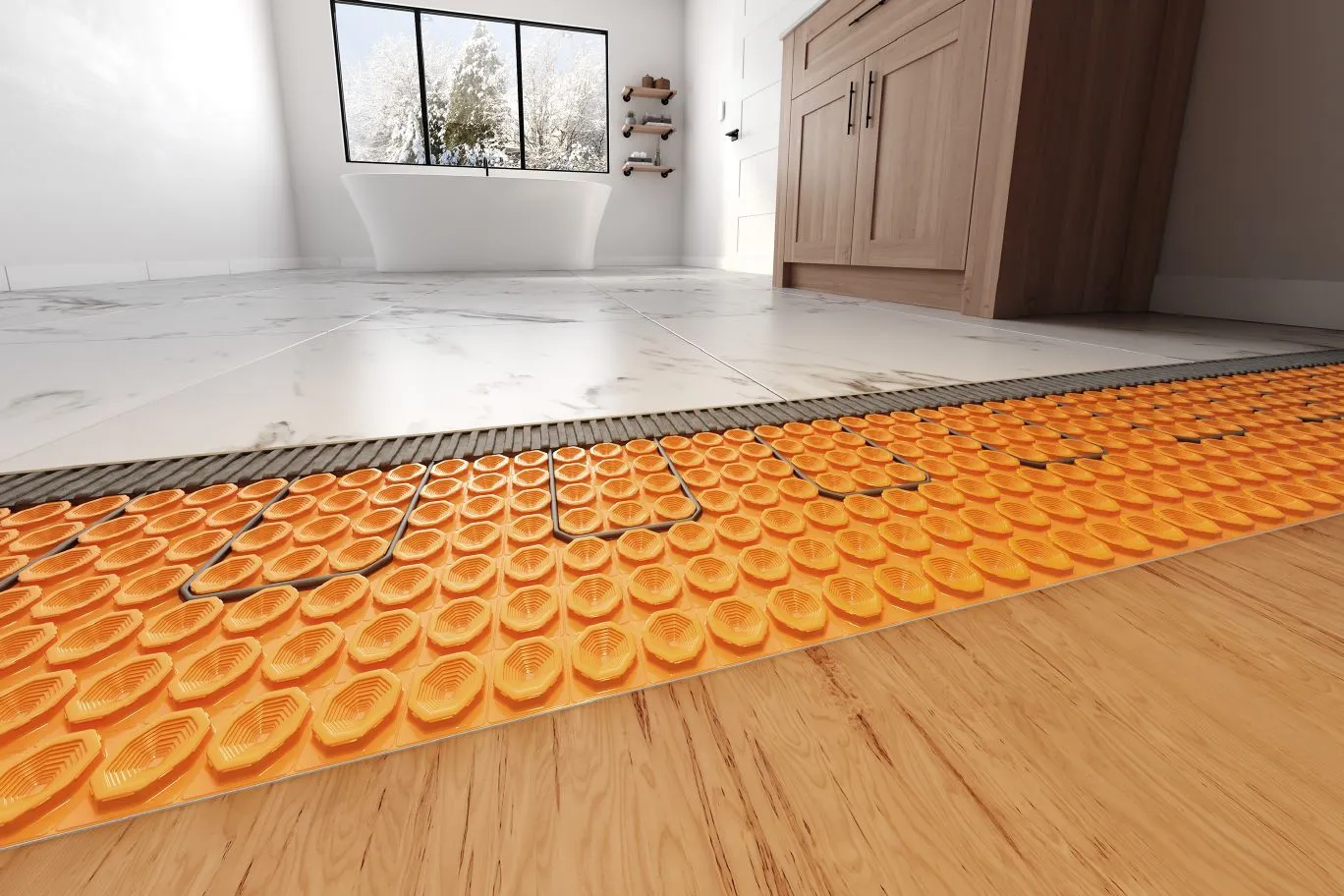
To identify the best uncoupling membrane options for balcony tiles, one must first discard the notion of a “one-size-fits-all” product. In interior applications, the primary goal of an uncoupling membrane is crack isolation. In exterior balcony applications, the membrane must also function as a waterproofing layer, a vapor-pressure release system, and a drainage plane.
Common misunderstandings arise from the assumption that if a membrane is “uncoupling,” it is inherently suitable for exterior use. Many products designed for interior floors lack the high-performance drainage capacity required to handle the volume of water exposure inherent in an open-air balcony. Attempting to define the best uncoupling membrane options for balcony tiles without accounting for vapor permeability is a primary cause of system failure; if a membrane traps moisture beneath it without providing a pathway for dissipation, the freezing of that trapped water will accelerate the degradation of the substrate, rendering the “uncoupling” benefit moot.
Deep Contextual Background
Best uncoupling membrane options for balcony tiles historically, exterior tile installation relied on “thick-bed” methods, where tiles were set into a substantial mortar base that sat on a sloped concrete slab. This method was robust but heavy and prone to failure if the mortar cracked. The transition to “thin-bed” installations necessitated a solution for the lack of inherent flexibility. Initially, this led to the use of metal meshes or rudimentary rubber sheets.
Today’s evolution centers on the hybridization of these membranes—integrating fleece layers for superior bond strength or incorporating specialized edge profiles to manage edge-of-balcony drainage, which remains the most vulnerable point in the entire assembly.
Conceptual Frameworks and Mental Models Best Uncoupling Membrane Options For Balcony Tiles
-
The Shear-Absorption Model: View the membrane as a physical buffer or “shear zone.” Its primary function is to transform horizontal expansion forces from the slab into microscopic vertical deformations within the membrane, thereby protecting the tile bond from snapping.
-
The Hydrostatic-Pressure Hierarchy: Water on a balcony follows a specific hierarchy: drainage, then evaporation, then waterproofing. A membrane that is only waterproof but fails to manage hydrostatic pressure will eventually create a failure plane at the interface between the membrane and the substrate.
-
The Thermal-Inertia Mismatch: The concrete slab heats and cools at a different rate than the porcelain tile above it. The membrane must be capable of accommodating this differential rate, which is at its peak during intense solar loading followed by rapid cooling.
Key Categories and Technical Variations
When reviewing the best uncoupling membrane options for balcony tiles, categorizing them by their functional engineering is vital.
The decision logic should always follow the substrate quality. If the substrate is pristine concrete, standard HDPE mats are often sufficient. If the substrate is a retrofit or has historical moisture migration issues, the best uncoupling membrane options for balcony tiles will prioritize integrated vapor management over raw shear strength.
Detailed Real-World Scenarios Best Uncoupling Membrane Options For Balcony Tiles
1. The High-Solar-Load Southern Balcony
In extreme climates, tile surfaces can reach temperatures exceeding 150°F, creating massive thermal expansion. Here, the best uncoupling membrane options for balcony tiles are those with high structural elasticity. Using a rigid, non-flexible membrane in this scenario will result in mortar-bond failure because the membrane cannot accommodate the extreme movement of the porcelain.
2. The Coastal “Salt-Air” Environment
Salt crystallization can cause sub-florescence, where salt expands within the pores of the mortar. An uncoupling membrane with a closed-cell structure is superior here, as it prevents salt-laden moisture from migrating upward into the tile assembly.
3. The Re-tiled Retrofit
When installing over an existing, aged substrate, the risk of hidden cracks is high. A thicker, fleece-backed membrane is often the preferred choice, as it offers a higher degree of “bridge-ability,” effectively spanning small existing fissures in the concrete that might otherwise telegraph through to the new tile surface.
Planning, Cost, and Resource Dynamics
Resource dynamics are often ignored: the labor time to properly install an uncoupling membrane—including pre-filling the dimples and ensuring correct trowel techniques—often exceeds the material cost. Do not underestimate the cost of quality installation tools, specifically high-quality flat-trowels for pressing the membrane into the thin-set.
Tools, Strategies, and Support Systems Best Uncoupling Membrane Options For Balcony Tiles
-
Trowel Selection: Use only the specific notch-size recommended by the manufacturer. Deviating from this is the leading cause of “voids” under the membrane.
-
Edge Sealing Profiles: These are not optional. They provide the transition from the membrane to the fascia, acting as the primary line of defense against lateral water ingress.
-
Moisture Meters: Before installation, verify the substrate humidity. If the concrete is not sufficiently cured, the best membrane in the world will fail.
Risk Landscape and Failure Modes
-
The “Hollow Sound” Syndrome: Often mistaken for bond failure, it is frequently caused by a failure to fully fill the dimples during the membrane-to-substrate bonding phase.
-
Edge Delamination: Occurs when the transition profile is not mechanically anchored or is improperly caulked.
-
Mortar Mismatch: Using unmodified mortar where modified is required, or vice versa, leads to chemical incompatibility that prevents the membrane from bonding properly to the substrate.
Governance, Maintenance, and Long-Term Adaptation Best Uncoupling Membrane Options For Balcony Tiles
A maintenance checklist for a balcony assembly should be treated with the same seriousness as a roof inspection.
-
Quarterly Drain Clearing: Ensure the membrane’s drainage channels are not clogged with debris.
-
Annual Caulking Review: Inspect all perimeter sealants for degradation.
-
Three-Year Stress Audit: Check for any signs of “tenting” at the edges, which indicates that the uncoupling membrane has reached the limit of its expansion capacity.
Measurement, Tracking, and Evaluation
-
Leading Indicators: The quality of the bond test (pull-off test) performed immediately after the membrane is set.
-
Lagging Indicators: The presence of efflorescence at the grout joints, which indicates that water is bypassing the drainage plane and migrating through the mortar.
-
Documentation: Maintain an “Assembly Log” that includes the specific mortar used, the batch number of the membrane, and photos of the substrate before the membrane was installed.
Common Misconceptions and Oversimplifications Best Uncoupling Membrane Options For Balcony Tiles
-
Myth: “All membranes are waterproof.” Correction: Some are purely for uncoupling; only specific exterior-rated systems are true waterproofing membranes.
-
Myth: “You can bond anything to any concrete.” Correction: Substrate preparation—specifically grinding off laitance and contaminants—is non-negotiable for the best uncoupling membrane options for balcony tiles to function.
-
Myth: “More mortar is better.” Correction: Excessive mortar can impede the drainage channels of the membrane, turning a functioning system into a water trap.
Ethical, Practical, and Contextual Considerations
The practical responsibility of the installer is to bridge the gap between architectural vision and material reality. An architect may specify a massive, dark-colored tile that increases heat absorption; the installer must then pivot to a membrane capable of handling higher thermal loads. Ethical practice demands that the installer be honest about the limitations of the chosen system; if the balcony’s slope is insufficient for proper drainage, no membrane can guarantee long-term survival.
Conclusion Best Uncoupling Membrane Options For Balcony Tiles
The search for the best uncoupling membrane options for balcony tiles is fundamentally a search for stability in an unstable environment. By understanding the mechanical interactions between tile, mortar, and substrate, one can move away from prescriptive brand selection toward an analytical approach rooted in physics. Success in these assemblies is rarely about the product alone; it is about the integration of the membrane into a holistic water-management system.