The Science of Impermeability: A Technical Inquiry into Sheet Waterproofing
Best sheet membrane options waterproofing is rarely about the perfection of a single material; it is about the reliability of a system. When building envelopes are subjected to the dual pressures of environmental exposure and structural movement, the choice between liquid-applied coatings and sheet membranes becomes a fundamental architectural decision. Sheet membranes, in particular, offer a level of predictability in thickness and physical properties that is inherently difficult to replicate in the field with liquid-applied alternatives. By providing a manufactured, uniform barrier, these systems serve as the bedrock of high-performance waterproofing strategies in projects where failure is not an option.
However, the efficacy of sheet-based protection is entirely dependent on the rigor of the installation. A membrane that is technically superior in a laboratory setting can easily fail if its seams are poorly executed, its transitions are incorrectly detailed, or the substrate preparation is ignored. The distinction between a failing system and a long-term asset often lies in the quality of the planning, the technical proficiency of the installer, and the strategic selection of the material itself. Professionals must move beyond surface-level comparisons to interrogate the mechanical properties of each system—such as elongation, puncture resistance, and chemical compatibility—within the context of their specific project constraints.
This exploration delves into the structural and material requirements of contemporary waterproofing. By evaluating the performance characteristics of diverse polymers, from EPDM and TPO to self-adhered bituminous sheets, this guide provides the depth required for critical decision-making. Navigating the landscape of the best sheet membrane options requires an appreciation for the systemic interaction between the membrane, the building substrate, and the environmental forces that will define the lifecycle of the structure.
Table of Contents
Understanding best sheet membrane options
The search for the best sheet membrane options is frequently undermined by a focus on material cost rather than systemic performance. Many stakeholders assume that thicker is better, or that higher elasticity equates to greater durability. In practice, the ideal membrane is always a compromise. A highly flexible membrane may perform exceptionally well in a freeze-thaw climate where structural movement is constant, but the same material might be excessively soft and prone to puncture in a high-traffic rooftop application. Oversimplification, such as selecting a generic EPDM sheet for a location requiring chemical resistance to petroleum-based runoff, is a primary driver of systemic failure.
Furthermore, we must address the “manufactured uniformity” myth. While sheet membranes are indeed factory-produced, their performance is ultimately decided in the field. The integrity of the seams—whether heat-welded, taped, or chemically bonded—is the true indicator of success. When we define the best sheet membrane options, we are implicitly defining the ease and reliability of the detailing process. A membrane that offers exceptional physical properties but is notoriously difficult to detail around complex flashings is often inferior to a slightly less “perfect” material that allows for robust, foolproof seam integrity.
Deep Contextual Background
Best sheet membrane options the trajectory of sheet-based waterproofing has evolved from rudimentary natural rubber sheets to highly engineered thermoplastic and synthetic elastomers. Historically, the industry relied on coal-tar pitch and heavy-duty felts, which, while effective, were prone to cracking under structural stress and were environmentally problematic. The mid-to-late 20th century introduced EPDM (Ethylene Propylene Diene Terpolymer), which revolutionized flat roofing and deck waterproofing by providing long-term UV resistance and elasticity that surpassed any previous generation of materials.
Simultaneously, the development of thermoplastic membranes like TPO (Thermoplastic Polyolefin) and PVC (Polyvinyl Chloride) introduced the possibility of heat-welded seams. This was a paradigm shift. Unlike older adhesive-based seams, which are prone to gradual degradation, a heat-welded seam creates a monolithic bond, effectively turning individual sheets into a single, seamless barrier. This historical shift represents the industry’s movement toward higher precision and a lower reliance on the variable skills of the installer, provided the equipment and temperature controls are strictly managed.
Conceptual Frameworks and Mental Models Best Sheet Membrane Options
To manage these systems effectively, adopt these frameworks:
-
The Energy Dissipation Model: A membrane must be able to absorb the kinetic energy of structural movement without transferring that stress into the seams.
-
The Thermal Equilibrium Model: Membranes must be selected based on their coefficient of expansion relative to the substrate. Mismatched expansion leads to persistent shear forces that eventually breach the bond at flashings.
-
The Vapor Pressure Gradient: Membranes are often impermeable to liquid water but may have different vapor permeability rates. Understanding this gradient is critical to prevent moisture entrapment—the most silent killer of waterproofing systems.
-
The Accessibility Model: Design for failure. Always choose a membrane and an assembly that allows for localized inspection and repair without requiring a total demolition of the exterior surface.
Categories and Technical Variations
When researchers compare sheet membrane options, they prioritize the underlying polymer chemistry and the seam-bonding technology.
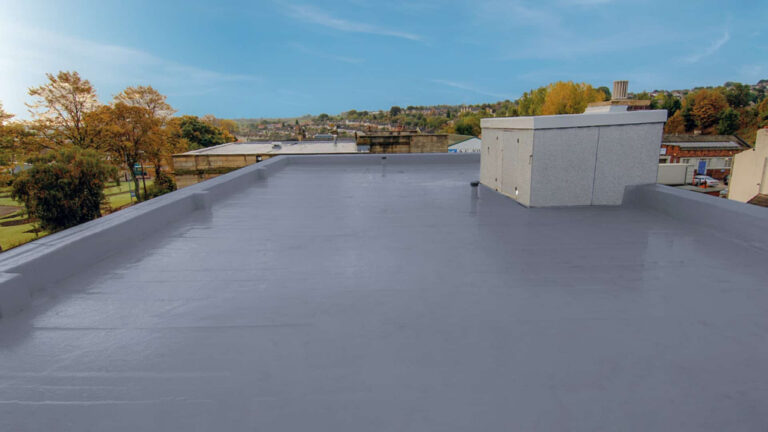
The decision logic is stratified: for exposed, movement-prone residential decks, EPDM remains a powerhouse due to its extreme elongation capabilities. For commercial buildings where heat-welding equipment is available, TPO offers the most robust seam reliability.
Decision Logic and Real-World Scenarios Best Sheet Membrane Options
Consider a scenario involving a balcony in a high-rise structure. The balcony experiences constant thermal oscillation and significant deflection under load. Using a rigid sheet membrane here would be a catastrophic error, as the seam integrity would fail within months. The decision logic dictates a highly flexible EPDM system or an advanced hybrid membrane capable of withstanding extreme cyclic fatigue.
Alternatively, consider a green roof assembly. The primary failure mode here is not environmental exposure but root penetration and heavy water load. The best sheet membrane options for this context are those with inherent root resistance or those that can be reinforced with specialized root-blocker layers. A failure to consider this root-incursion variable leads to second-order effects—such as structural root damage—that are orders of magnitude more expensive to remediate than the initial cost of the premium membrane.
Resource Dynamics and Cost Modeling
Cost modeling must extend beyond the material price-per-square-foot. It must include the “installed system cost.”
Lifecycle Investment Framework
The opportunity cost of choosing an “entry-level” membrane is often hidden in the necessity for earlier re-installation or more frequent site inspections. A mature analysis often favors the higher upfront material cost of a superior polymer to realize significantly lower total cost of ownership over a 30-year horizon.
Tools, Strategies, and Support Systems Best Sheet Membrane Options
Successful installation of the best sheet membrane options requires:
-
Industrial Heat-Welders: For thermoplastic membranes, precise temperature and speed control is the difference between a weld and a disaster.
-
Seam-Probing Tools: Used to test the integrity of every inch of a welded seam—a mandatory quality control step.
-
Substrate Primer/Conditioners: Critical for self-adhered bitumen systems to ensure a permanent chemical bond.
-
Detailing Kits: Factory-formed corners and penetrations that eliminate the need for field-fabricated, high-risk joints.
-
Digital Moisture Mapping: Used during periodic inspections to detect water migration long before it becomes visible internally.
-
Tensioning Systems: For mechanical attachment, ensuring the membrane is secured without creating concentrated stress points.
The Risk Landscape and Taxonomy of Failure
The risk landscape is governed by three primary failure vectors:
-
Mechanical Damage: Punctures from heavy furniture, tools, or building maintenance.
-
Seam Degradation: Occurs when adhesives fail or heat-welding is improperly calibrated.
-
Vapor-Induced Blistering: Moisture gases accumulating beneath an impermeable sheet, creating structural bubbles.
Taxonomically, most failures are not due to the membrane material itself but to the detail work—the flashings, scuppers, and door thresholds. When we compare sheet membrane options, we are essentially comparing how well these materials accommodate the inevitable errors in detailing.
Long-Term Governance and Maintenance Best Sheet Membrane Options
A waterproofed surface is an active building system that requires a stewardship regimen.
-
Annual Audit: A physical survey of all seams and transition flashings.
-
Cleaning Cycle: Removal of debris that could degrade the polymer surface.
-
Intervention Triggers: Any bubbling, seam-gapping, or signs of water-logging in the substrate must trigger an immediate diagnostic review.
A layered checklist should be kept for each site, tracking the history of the membrane from the date of application, recording any modifications or repairs made to the original envelope.
Evaluation Metrics and Documentation
Metrics for performance include:
-
Peel Strength: Measured in labs during commissioning or after a suspected failure.
-
Thermal Imaging: Identifying wet areas that do not match the surrounding surface temperatures.
-
Visual Documentation: High-resolution digital records of all flashings before they are covered by subsequent finishes.
These records are not optional; they are the baseline for any long-term management strategy. Without a “system passport,” you are effectively flying blind when a leak occurs, forced into speculative repairs that often worsen the issue.
Common Misconceptions and Corrections Best Sheet Membrane Options
-
Myth: All thermoplastic membranes are the same. Correction: TPO and PVC differ significantly in their chemical formulation and resistance to specific environmental pollutants.
-
Myth: Field-welded seams are as reliable as factory seams. Correction: Factory seams have the benefit of controlled heat/pressure; field seams require extreme operator discipline.
Conclusion
The selection of the best sheet membrane options is an exercise in managing risk through technical precision. By prioritizing material compatibility, structural resilience, and seam integrity, professionals can create systems that act as an enduring barrier against the environment. The most effective waterproofing strategies are those that treat the membrane as an integrated system rather than a standalone product. With a rigorous commitment to installation quality and long-term maintenance, these barriers can successfully protect the structural heart of a building for generations.