
The Invisible Foundation: Mastery of Priming and Surface Chemistry
Common primer application mistakes the integrity of any architectural finish, whether a high-gloss enamel on millwork or a durable coating on masonry, is rarely determined by the final coat. Instead, the success of the system is tethered to the interface between the substrate and the coating—a domain governed by the primer. Far from being a mere precursor to paint, the primer functions as the chemical bridge that reconciles the surface energy of the substrate with the adhesion requirements of the topcoat. When this bridge is flawed, the entire aesthetic and functional value of the project is compromised, often necessitating expensive remediation long before the expected lifecycle of the coating has elapsed.
Many professional painters and project managers treat the priming stage as a routine, almost mechanical necessity. This complacency is the primary catalyst for premature peeling, inter-coat delamination, and inconsistent sheen. The nuances of surface porosity, chemical compatibility, and environmental impact are frequently overlooked in the rush to complete the primary aesthetic phase. Recognizing the intricacies of this stage requires a shift in perspective: from viewing primer as a “sealer” to viewing it as the most critical structural component of the finish system.
Developing a robust approach to surface preparation demands an awareness of the hidden variables that jeopardize adhesion. From the latent moisture in new drywall to the residual oils on high-traffic metal surfaces, the environmental and physical conditions must be precisely calibrated. This article aims to deconstruct the technical errors that frequently undermine the durability of professional coatings, providing a comprehensive analysis of the factors that lead to failure. By systematically identifying these vulnerabilities, one can ensure that the coating system performs as intended, providing long-term protection and aesthetic consistency.
Table of Contents
Understanding “common primer application mistakes”
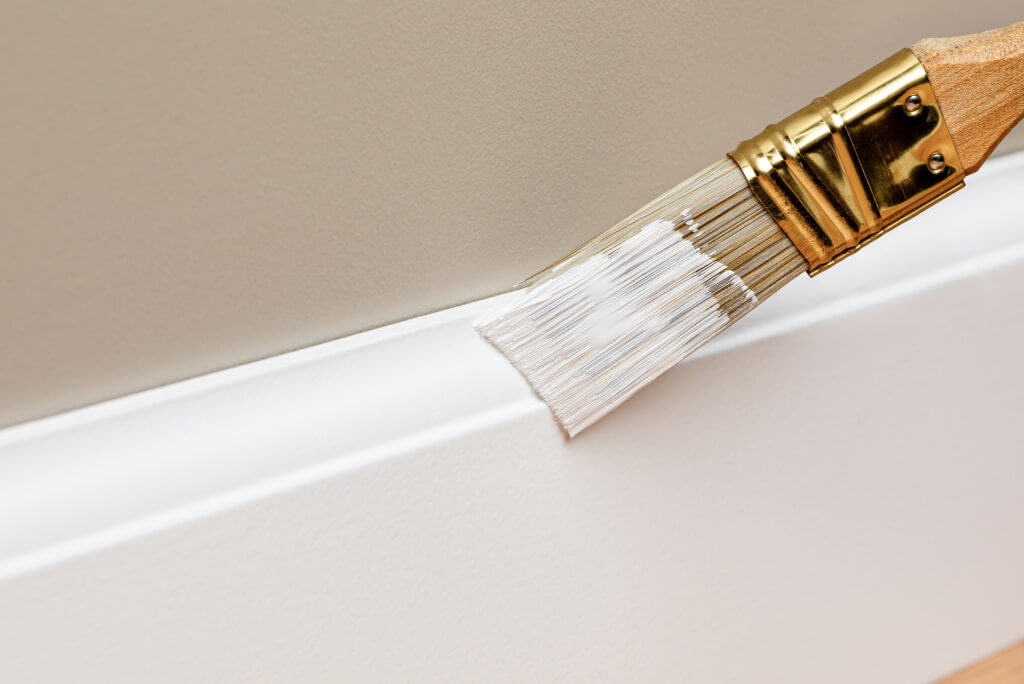
The prevalence of failures in coating projects often traces back to the assumption that all primers are essentially similar. In reality, common primer application mistakes arise from a fundamental misunderstanding of the specific substrate-primer-topcoat chemistry. When an oil-based primer is applied over a surface that requires a water-based binder for chemical anchoring, the result is poor adhesion. Similarly, over-thinning a primer to achieve higher coverage results in a film that lacks the necessary pigment volume concentration (PVC) to adequately seal the surface.
Oversimplification is the adversary of durable work. Practitioners who assume that a “multi-purpose” primer can bridge all substrate types—from galvanized steel to porous timber—neglect the specialized cross-linking required for specific materials. When this nuance is ignored, the primer serves as a weak link, creating an unstable foundation that will eventually shear under thermal stress or environmental exposure. Understanding these errors requires a deeper dive into the physics of surface energy and the chemistry of film formation.
Deep Contextual Background
Common primer application mistakes the science of priming has evolved from simple oil-based “sealers” designed to prevent suction on porous surfaces to complex, highly engineered polymers. Historically, painters relied on natural resins and pigments, which were effective but slow-drying and often VOC-heavy. The post-war era ushered in synthetic polymers, providing faster drying times and better adhesion to non-porous surfaces. This shift, while improving speed, created a new set of risks: modern water-borne systems are significantly more sensitive to environmental conditions, such as humidity and temperature, than their legacy counterparts.
Conceptual Frameworks and Mental Models Common Primer Application Mistakes
-
The Surface Energy Gradient: Materials possess varying levels of surface energy. High-energy surfaces (like clean steel) bond easily, whereas low-energy surfaces (like certain plastics) require specialized adhesion promoters. Priming is the process of normalizing this gradient.
-
The Porosity Equilibrium: A substrate must be sealed to prevent the topcoat binder from soaking into the surface, which leads to “flashing” or uneven sheen. The primer’s job is to create a uniform barrier that maintains consistent topcoat film thickness.
-
The Chemical Anchor Principle: Some primers provide mechanical adhesion (filling pores), while others provide chemical adhesion (cross-linking with the surface molecules). Recognizing which one the substrate requires is vital for longevity.
Key Categories and Material Trade-offs
Realistic decision logic: If the substrate is a legacy material with unknown contaminants, an oil-based alkyd is almost always safer due to its high penetration and tolerance for trace surface oils. Conversely, if the project is in a high-density interior space, a high-performance acrylic is mandatory for health compliance.
Real-World Scenarios and Decision Logic Common Primer Application Mistakes
-
New Drywall in High-Humidity Environments: The mistake is applying the finish too soon. The decision point is the moisture content of the gypsum. Proper priming requires a dedicated drywall primer that resists “paper fuzzing” while providing a high-build barrier.
-
Repainting Glossy Metal: The error is skipping the abrasion step. Without mechanical profiling, no primer, regardless of quality, will maintain adhesion over time.
-
Timber with High Tannin Content: Using a standard acrylic primer will lead to yellowing. The decision point is selecting an oil-based or shellac-based blocker, which provides the necessary chemical blockade to prevent tannin migration.
Planning, Cost, and Resource Dynamics
The economic impact of improper priming is rarely felt at the time of purchase; it manifests as a labor-intensive re-work years later. The cost of a professional-grade primer is often less than 15% of the total coating system cost, yet it dictates 90% of the system’s longevity.
Tools, Strategies, and Support Systems Common Primer Application Mistakes
-
Surface Profile Gauges: For metal substrates, ensuring the profile is correct before priming is essential.
-
Moisture Meters: Preventing the application of primer over substrates that are not at equilibrium.
-
Tack Cloths: The final defense against dust contamination, which is a leading cause of coating failure.
-
Airless Sprayers with Correct Tips: Ensures an even, consistent build across all surfaces, avoiding the “holiday” gaps that allow moisture ingress.
Risk Landscape and Failure Modes
The primary failure mode is inter-coat delamination, where the topcoat peels away from the primer. This is often caused by applying the topcoat too late—past the “re-coat window”—or by using incompatible chemical binders. Another compounding risk is the use of high-solids primers on surfaces that require high penetration, leading to a film that sits on the surface rather than anchoring into it.
Governance, Maintenance, and Long-Term Adaptation Common Primer Application Mistakes
A structured quality assurance (QA) process is required. This involves a signed-off “prep-to-prime” inspection, ensuring that the substrate is cleaned, sanded, and dried according to the manufacturer’s specifications.
-
Layered QA Checklist:
-
Verify substrate cleanliness and profile.
-
Check ambient temperature and dew point before application.
-
Confirm compatible primer-to-topcoat re-coat window.
-
Perform a small cross-hatch adhesion test in an inconspicuous area.
-
Measurement, Tracking, and Evaluation
Leading indicators of a successful priming phase include the uniformity of the primer film and the absence of substrate bleed-through. Lagging indicators are the prevalence of touch-ups and customer complaints regarding adhesion. Documentation should include the product batch numbers and the environmental conditions at the time of application.
Common Misconceptions and Oversimplifications Common Primer Application Mistakes
-
“Tinting the primer is always necessary”: Tinting is useful for hiding, but it can sometimes impact the primer’s film-forming chemistry.
-
“Painting over dust is okay if the primer is thick enough”: Dust is the most common cause of early coating failure; it prevents the primer from anchoring to the substrate.
-
“One coat of primer is always sufficient”: High-porosity substrates almost always require two coats for a uniform surface energy profile.
-
“Shellac is for everything”: It is excellent for stains but too brittle for flexible substrates like wood.
Ethical and Contextual Considerations
Professional ethics in this field require transparency. If a substrate is unsuitable for a specific coating, it is the professional’s responsibility to advise the client on the necessary remediation. Compromising the integrity of the primer to meet a budget or timeline is a failure of craftsmanship that inevitably results in the client incurring greater costs down the road.
Synthesis and Strategic Judgment Common Primer Application Mistakes
The mastery of coating systems lies in the humility to recognize that the primer is the most important layer. By avoiding the common primer application mistakes that plague so many projects—namely, neglecting the surface profile and miscalculating the chemical needs of the substrate—one can ensure that the coating serves its purpose for years.