Alpine Resilience: The Engineering of High-Altitude Exterior Environments
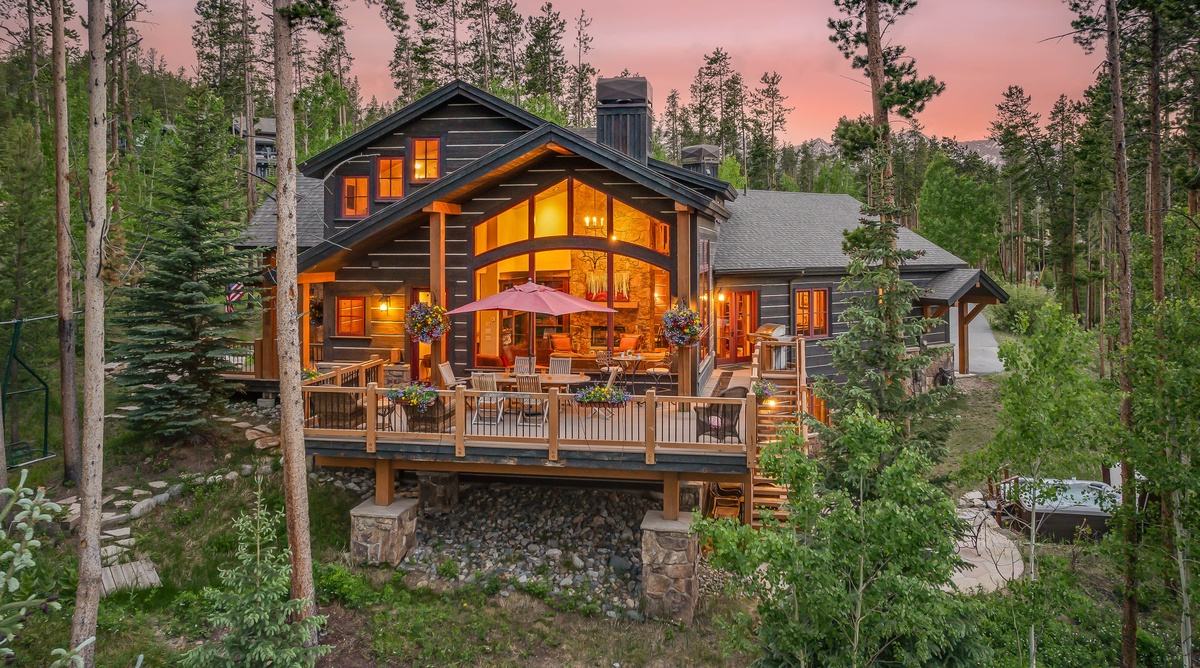
Best aspen mountain chalet deck protection us the architectural identity of the Colorado Rockies—specifically the high-altitude chalet—is defined by its relationship with the extreme environment. At elevations exceeding 8,000 feet, the exterior deck is not a peripheral luxury; it is a critical structural transition zone subjected to the most aggressive climatic cycle in North America. Rapid freeze-thaw sequences, heavy snow-load accumulation, and intense ultraviolet radiation characterize an environment where standard building materials fail with discouraging frequency.
True deck preservation at this scale requires a radical departure from residential-grade maintenance. One must address the interplay of material expansion, moisture migration, and the structural stress induced by the weight of seasonal snowpack. When a deck serves as the primary observation platform for the Aspen mountain landscape, the system’s failure implies not just financial loss, but a degradation of the property’s core utility and safety.
This discourse examines the structural and chemical protocols necessary for long-term deck preservation in alpine conditions. We move beyond cosmetic surface treatments to explore the fundamental engineering required to ensure that outdoor living spaces remain structurally sound and aesthetically coherent against the relentless erosion of mountain weather.
Table of Contents
Understanding “best aspen mountain chalet deck protection us”
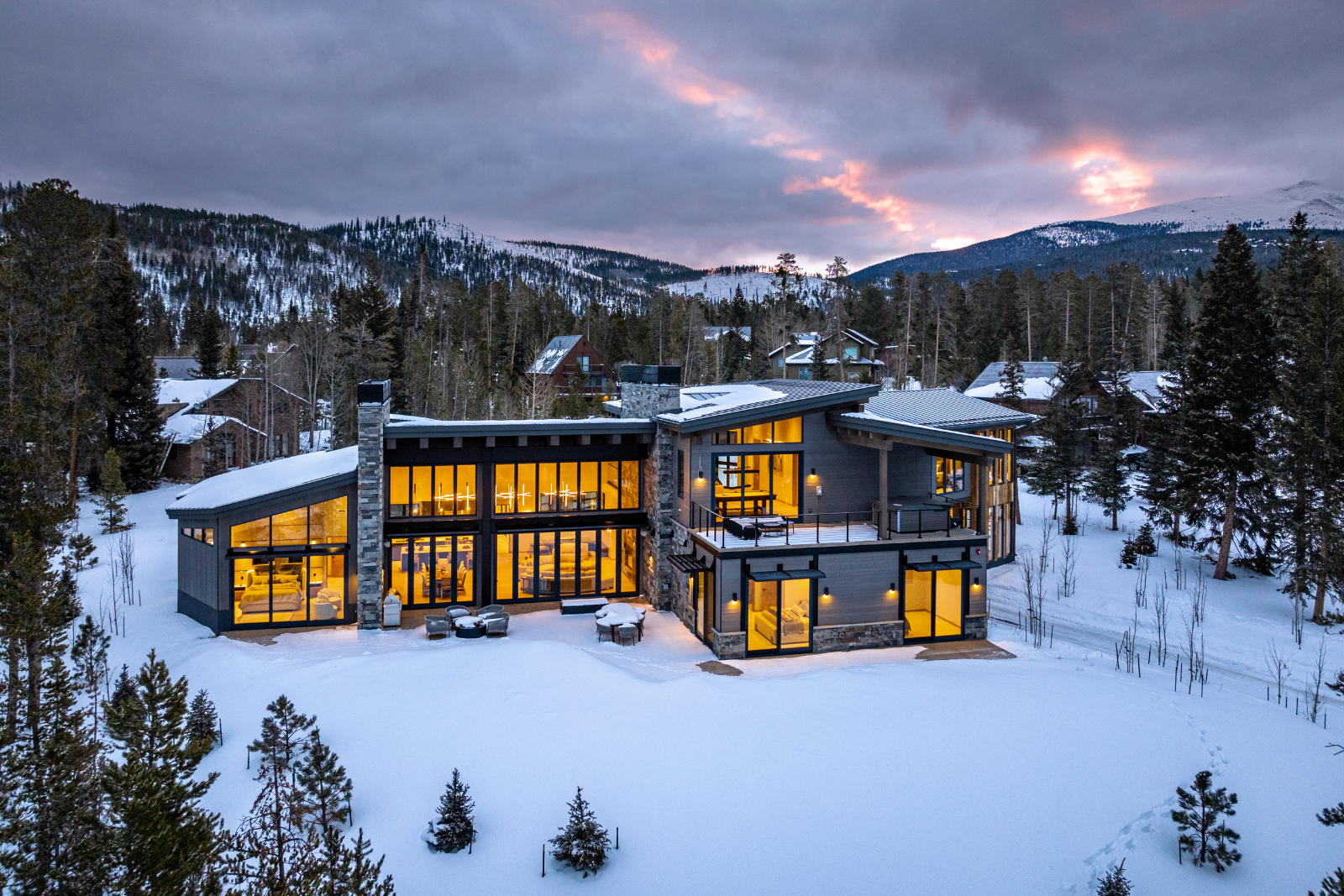
The phrase best aspen mountain chalet deck protection us is frequently misconstrued as a request for the most durable sealant currently on the market. This reductionist approach overlooks the reality that environmental resilience is a system, not a product. In the Aspen context, the “best” protection is defined by a material’s ability to remain stable during a thermal shift of 60 degrees Fahrenheit within a single afternoon, while simultaneously repelling moisture that, if allowed to penetrate, will expand with sufficient force to fracture even the most durable timbers.
The risks associated with oversimplification are significant. For instance, applying a high-solids film-forming finish on a deck with high moisture content—common in sub-alpine humidity—creates an airtight seal that traps water, initiating rapid biological decay from the underside of the boards. To achieve the best aspen mountain chalet deck protection us, the engineer or steward must harmonize the permeability of the coating with the natural hygrothermal behavior of the substrate. It is an act of balance between protecting the surface from the elements and allowing the structure to breathe.
Deep Contextual Background: The Evolution of Alpine Construction
Best aspen mountain chalet deck protection us historical mountain architecture relied on heavy, slow-growth timber, naturally resistant to decay through high tannin content. As building codes have shifted toward light-frame, fast-growth timber and composites, the structural demands on the deck surface have intensified. The transition toward wider deck profiles and multi-level cantilevered designs has necessitated the development of advanced protective systems that address not only rot but also structural movement.
In the contemporary era, the search for best aspen mountain chalet deck protection us has shifted toward synthetic polymer integration and thermally modified woods. These materials offer higher dimensional stability, yet they demand precise mechanical detailing. The history of alpine building in the US teaches us that the structures that survive are those that acknowledge the inevitability of weathering, utilizing sacrificial layers and modular components rather than attempting to create a permanent, unchanging surface.
Conceptual Frameworks: Thermodynamic Equilibrium Best Aspen Mountain Chalet Deck Protection Us
-
The Thermal Expansion Constant: Materials change size as they heat and cool. Protective coatings must have a matching elasticity modulus, or the finish will micro-crack, creating capillary paths for moisture.
-
UV-Degradation Cycles: At higher altitudes, the thin atmosphere provides less protection against solar radiation. The system must utilize inorganic pigments or advanced light-stabilizers to prevent the chemical breakdown of the wood’s lignin.
-
Hydrostatic Management: The deck design must facilitate the immediate evacuation of water. Even the finest protective system will fail if ponding occurs, as hydro-static pressure eventually overcomes any surface-level barrier.
Key Categories: Materials and Protective Systems
Decision logic for selecting the best aspen mountain chalet deck protection us follows a hierarchy of site exposure. A deck on the windward side of a peak, subjected to constant snow-drift contact, requires a non-porous, high-strength synthetic barrier, whereas a sheltered, south-facing deck may prioritize UV-stable natural oils.
Real-World Scenarios and Decision Logic Best Aspen Mountain Chalet Deck Protection Us
-
Scenario 1: High-Traffic Rental Property. The priority is durability and “turnover-ability.” Decision logic mandates the use of high-density composites that require minimal seasonal maintenance, sacrificing a degree of natural aesthetics for structural reliability.
-
Scenario 2: Traditional Cedar Chalet. The architectural character is paramount. Here, the strategy employs a high-grade, semi-transparent penetrating stain with periodic light sanding and re-application, accepting the maintenance cycle as a cost of preserving the building’s aesthetic integrity.
Planning, Cost, and Resource Dynamics
Investment in the best aspen mountain chalet deck protection us is an ongoing operational expenditure, not a capital expense.
Budgeting for these projects requires a long-term view of asset management, where early interventions prevent the systemic rot that could necessitate an entire deck replacement.
Risk Landscape and Failure Modes
Failure is often the result of compounding factors. A small crack in a deck plank allows moisture ingress; a subsequent freeze causes expansion, widening the crack; and a warm day allows algae growth within the now-porous timber. This taxonomy of failure—Physical, Chemical, and Biological—must be addressed in tandem. Structural engineers often find that the most dangerous risk is “hidden rot,” where the underside of the deck joists fails while the deck surface remains superficially sound.
Governance, Maintenance, and Long-Term Adaptation Best Aspen Mountain Chalet Deck Protection Us
Maintenance in the Rockies is a calendar-driven discipline.
-
Adjustment Triggers: Snow-load patterns change as trees grow or buildings are modified. Annual checks must include verifying that deck drainage remains unobstructed by ice dams.
-
Layered Checklist:
-
Structural Assessment: Verify fastener integrity for every board.
-
Moisture Audit: Check for soft spots or discoloration indicative of sub-surface rot.
-
Finish Assessment: Evaluate for peeling, fading, or loss of hydrophobicity.
-
Measurement, Tracking, and Evaluation
Reliability is tracked through precise documentation.
-
Leading Indicators: Seasonal rate of finish wear; observed changes in wood moisture content.
-
Lagging Indicators: Structural sagging; visible board cupping.
-
Documentation: Maintain a comprehensive “Deck Stewardship Logbook” detailing the products used, application dates, and photographic records of every board-level inspection.
Common Misconceptions and Oversimplifications Best Aspen Mountain Chalet Deck Protection Us
-
“Stain lasts for five years.” In Aspen, the cycle is rarely beyond two.
-
“Natural wood is maintenance-free if you buy the right species.” All wood in the Rockies requires protection against UV and freeze-thaw cycles.
-
“Pressure washing is the best cleaning method.” Excessive pressure can destroy the cellular structure of the wood, making it more prone to moisture absorption.
Conclusion
Securing the best aspen mountain chalet deck protection us is a commitment to stewardship rather than a one-time construction task. By viewing the deck as a dynamic, living interface between the residence and the alpine environment, owners can move past reactive repair and toward a proactive management strategy. Coherence is found in the detail: the correct choice of finish for the specific wood grain, the regular clearing of snow, and the persistent, year-over-year inspection of structural connectors.