The Architecture of Longevity: A Comprehensive Guide to Deck Preservation
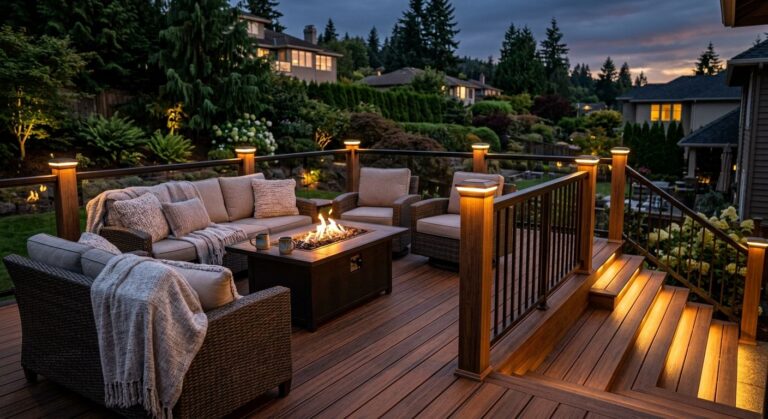
Best custom deck sealing united states the structural integrity of an outdoor deck represents a significant investment in both financial capital and property value. Across the diverse climate zones of the United States—ranging from the high-humidity environments of the Gulf Coast to the freeze-thaw cycles of the Northeast and the arid, ultraviolet-intense regions of the Southwest—the exposure profiles are distinct and often extreme. Wood, as a biological material, begins to degrade the moment it is exposed to the elements. Without a disciplined approach to protective coating, the cellular structure of even high-quality decking material like Ipe, Cedar, or pressure-treated pine will succumb to oxidation, fungal decay, and mechanical checking.
Achieving a durable finish requires shifting the perspective from simple “staining” to sophisticated moisture management. The process is not merely an aesthetic choice; it is a technical intervention that mediates the relationship between the porous wood fibers and the ambient environment. Inconsistent or low-grade applications often lead to premature coating failure, peeling, and trapped moisture—scenarios that frequently accelerate the rot they were intended to prevent.
Successful preservation is predicated on understanding the interplay between wood moisture content, ambient humidity, and the molecular weight of the chosen sealant. This article examines the systemic approach required to identify and execute the most effective protective strategies. By treating deck maintenance as a structural engineering task rather than a weekend chore, property owners can ensure that their outdoor investments remain functional and structurally sound for decades.
Table of Contents
Understanding “best custom deck sealing united states”
The search for the best custom deck sealing united states often leads to a marketplace saturated with broad, generalized marketing claims. The “best” solution is rarely a single product, but rather a curated methodology that aligns the chemical properties of a sealer with the specific species of wood and the micro-climate of the installation site. Many failures stem from the assumption that a product marketed as “all-weather” will perform identically in a climate with 80% average humidity as it would in a high-desert environment.
A common misunderstanding is the conflation of “sealing” with “staining.” While these processes are often performed simultaneously, their functions differ. Sealing is the mechanical act of blocking water ingress, while staining involves the deposition of pigments to provide ultraviolet (UV) radiation protection. True custom sealing requires a nuanced assessment of wood porosity. For instance, dense exotic hardwoods like Ipe or Cumaru require specialized, penetrating oil finishes with low molecular weight to permeate the wood’s tight grain, whereas porous softwoods like pressure-treated pine may benefit from a film-forming, semi-solid stain that bridges larger surface checks.
The risk of oversimplification is significant. Applying a high-build, synthetic coating over a wood species that is “oil-rich” (such as Teak) often results in delamination, as the wood’s natural resins prevent proper adhesion. Consequently, the best custom deck sealing united states methodology demands a forensic approach to wood species identification before any product is selected.
Historical Evolution of Wood Preservation
Best custom deck sealing united states historically, deck preservation was a primitive affair, relying heavily on coal-tar derivatives and basic linseed oils. While effective at repelling water to a degree, these early substances were often toxic and provided poor resistance to biological growth like mildew and algae. The mid-20th century introduced the era of pressure-treated lumber using Chromated Copper Arsenate (CCA), which shifted the burden of longevity from the coating to the wood itself.
As environmental regulations curtailed the use of harsh chemicals, the industry pivoted toward modern polymers, acrylics, and complex synthetic oils. Today, the focus has shifted toward “breathable” coatings. Older, rigid polyurethane-based finishes were essentially plastic shells; when the wood naturally expanded and contracted, these shells cracked, trapping moisture beneath and causing accelerated decay. Contemporary best practices prioritize finishes that allow water vapor to escape while preventing liquid water ingress, reflecting a deeper understanding of wood as a hygroscopic material.
Conceptual Frameworks and Material Longevity Best Custom Deck Sealing United States
To manage a deck effectively, one must employ specific mental models to guide decision-making:
-
The Porosity Gradient: Recognizing that different areas of a deck receive different levels of exposure. Vertical surfaces (railings) weather differently than horizontal surfaces (decking boards). A uniform application process is rarely the most effective; layering based on wood absorption rates is essential.
-
The Moisture Equilibrium Model: Wood seeks to reach an equilibrium moisture content (EMC) with its surroundings. The goal of sealing is not to render the wood inert, but to slow the rate of moisture exchange, thereby minimizing the mechanical stress caused by swelling and shrinking.
-
The UV-to-Pigment Ratio: UV radiation breaks down lignin, the “glue” that holds wood fibers together, causing the graying effect. Pigment acts as a sacrificial barrier. Higher pigment loads offer better UV protection but obscure the wood grain. This model helps owners choose the right balance based on their priority: natural appearance versus long-term structural shielding.
Key Categories of Protective Systems
When evaluating options, the following categories represent the industry standard, each with distinct trade-offs:
Decision Logic for Material Selection
Choosing the best custom deck sealing united states approach requires a site-specific audit. If the deck is located in a high-sun exposure zone, a semi-transparent stain with high iron-oxide pigment content is required to block UV. Conversely, if the primary issue is high rainfall, a water-repellent system with added mildewcides is prioritized. Always test for “beading” vs. “penetration” on a discrete area before full application.
Detailed Real-World Scenarios Best Custom Deck Sealing United States
-
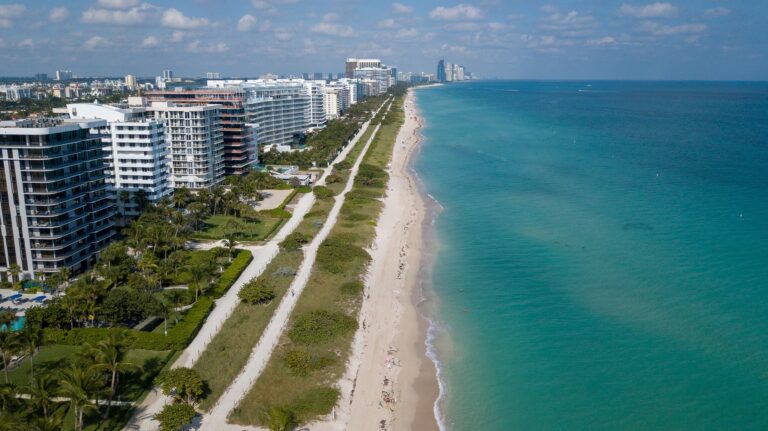
High-Humidity Coastal Environments: The presence of salt air and constant dampness encourages fungal activity. The strategy must involve heavy-duty biocides and coatings that resist “blushing” or turning white due to moisture entrapment.
-
Arid/High-Altitude Regions: Intense UV exposure causes rapid cellular breakdown. The requirement here is high-pigment saturation to “sunblock” the wood, often requiring re-application cycles more frequently than in temperate zones.
-
The “New vs. Old” Dilemma: Newly installed pressure-treated lumber requires a “drying out” period to reach a moisture content below 15%. Applying a sealer prematurely is a primary cause of failure. Conversely, old, weathered wood requires deep, multi-stage cleaning and neutralization to open the pores before any coating can adhere.
-
Exotic Hardwood Installations: These surfaces are dense and oily. They reject most standard coatings. A high-quality penetrating oil that does not build a film is the only viable path to avoid unsightly, peeling finishes.
Planning, Cost, and Resource Dynamics
The best custom deck sealing united states methodology is rarely the cheapest. It involves significant front-end labor: mechanical sanding, chemical cleaning, and precise moisture monitoring.
Investment Estimates (Professional vs. DIY)
The indirect cost is the opportunity cost of an improper application. Stripping a failed, high-build acrylic coating is significantly more expensive than the initial application, often requiring chemical strippers and mechanical abrasion that can damage the wood surface.
Tools, Strategies, and Support Systems
-
Moisture Meters: Essential for confirming the wood is ready for sealing.
-
Rotary Sanders: For removing dead wood cells and old coatings to ensure a fresh surface for bonding.
-
Neutralizing Agents: Critical after using alkaline cleaners, as wood pH must be balanced for optimal coating adhesion.
-
Micro-fiber Applicators: Provide better control over film thickness than traditional brushes.
-
Weather Forecasting Integration: A 48-hour window of low humidity is mandatory for the initial curing phase.
-
Graduated Scrubbing: Using progressively finer abrasive pads to ensure maximum fiber penetration.
Risk Landscape and Failure Modes Best Custom Deck Sealing United States
The primary risks in deck sealing are systemic. Surface-level failure (peeling) is almost always a result of poor surface preparation or moisture trapped beneath the sealer. Biological failure (rot) occurs when the coating is too restrictive, preventing the wood from “breathing,” which creates a greenhouse effect for fungi. When pursuing the best custom deck sealing united states, one must recognize that a failure is not just an aesthetic issue; it is a signal that the wood has become compromised. Compounding risks occur when water penetrates through a failure point and creates hidden pockets of rot, potentially leading to structural failure of the deck frame.
Governance, Maintenance, and Long-Term Adaptation
A deck should be treated like any other component of a building’s envelope. Establish a biannual inspection cycle.
-
Spring Review: Check for post-winter damage, checking (cracks), and biological growth.
-
Fall Review: Ensure moisture-repellent capabilities are sufficient to handle winter precipitation.
-
Adjustment Triggers: If water stops beading after a light misting, it is time for a maintenance coat—not a full strip-and-redo. This “spot-maintenance” model preserves the integrity of the original coating and significantly lowers long-term resource expenditure.
Measurement, Tracking, and Evaluation Best Custom Deck Sealing United States
Documentation is the mark of a master architect or property manager.
-
Leading Indicators: Wood color changes, surface “fuzzing” (fiber degradation), and loss of water beading.
-
Lagging Indicators: Visible rot, soft spots, or coating delamination.
-
Documentation Example: Keep a log of products used, dates of application, and moisture meter readings. This data set becomes invaluable when determining if a specific coating is performing up to its expected lifecycle.
Common Misconceptions and Oversimplifications
-
“Clear Sealers Last Longer”: False. Clear coatings lack the pigments necessary to block UV radiation. They often fail within six months in high-exposure areas.
-
“Power Washing is the Only Prep Needed”: Power washing can damage wood fibers, creating a “furred” surface that holds dirt and prevents proper coating penetration. Mechanical sanding is far superior.
-
“One Coat is Sufficient”: While some products claim single-coat coverage, wood absorption is non-uniform. A second coat, applied while the first is still tacky, is often required to reach saturation.
-
“All Pressure-Treated Wood is the Same”: Different treatments involve different chemicals that react uniquely with sealants. Compatibility tests are mandatory.
-
“Applying in Direct Sun is Best”: Heat causes the solvent to evaporate too quickly, preventing the oil from penetrating the wood fibers. Application should occur in the shade or during cooler periods of the day.
-
“Sealing Permanently Prevents Rot”: Sealing manages the rate of moisture exchange; it does not render wood impervious to environmental forces. Periodic reapplications are a requirement of ownership.
Conclusion Best Custom Deck Sealing United States
Mastering the best custom deck sealing united states requires moving beyond the product-first mindset. Success is defined by a deep integration of wood science, environmental observation, and meticulous preparation. The goal is to establish a state of equilibrium where the coating provides a sacrificial barrier, allowing the wood to thrive under the stresses of its specific geography. By shifting focus toward periodic, data-informed maintenance rather than drastic overhauls, the owner transforms a high-maintenance asset into a resilient, long-term feature of the property. Precision in application and honesty in assessing wood health are the foundational pillars of true outdoor architectural preservation.