The Architecture of Durability: Waterproofing Tiled Balconies
Best waterproofing options for tiled balconies a balcony is more than an extension of living space; it is a complex structural intersection exposed to the most punishing environmental variables. Unlike interior floor systems, a balcony slab functions as a roof for the structure below while simultaneously serving as a high-traffic deck. When these elements are surfaced with tile, the margin for error narrows significantly. The interface between ceramic or stone veneers and the structural slab is a recurring point of failure, often exacerbated by thermal expansion, hydrostatic pressure, and the inherent porosity of grout lines.
Achieving long-term success requires moving beyond the selection of a specific sealant or membrane. It demands a holistic understanding of how moisture enters, travels, and—crucially—how it exits the assembly. Most residential leaks on balconies do not originate from a singular, catastrophic breach; they are the result of cumulative saturation and the breakdown of edge details over time. Waterproofing is not a singular event in the construction sequence but a layered, defensive system that must accommodate the dynamic movement of the building itself.
The following analysis examines the systemic requirements for balcony integrity. It is intended for homeowners, designers, and contractors who recognize that “waterproof” is a relative term, contingent entirely on the precision of the installation and the compatibility of the specified materials. By evaluating the mechanics of moisture management within the tiled assembly, one can better navigate the complexities of long-term asset protection.
Table of Contents
Understanding “best waterproofing options for tiled balconies”
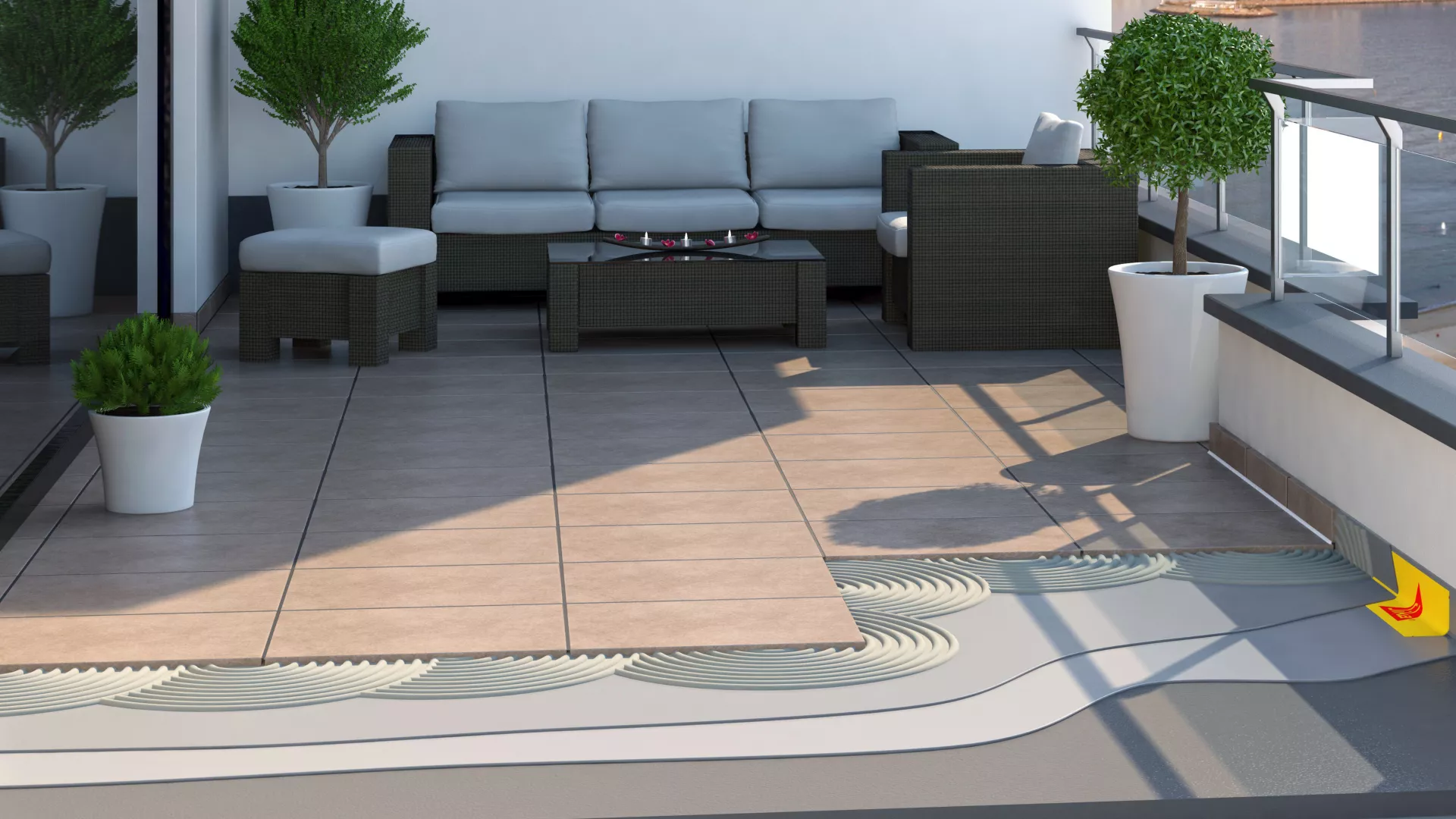
The search for the best waterproofing options for tiled balconies is frequently hampered by an overreliance on product-specific marketing. There is no singular “best” solution that functions universally across all geographic zones, climate types, and structural substrates. Instead, the efficacy of a system depends on its ability to manage the differential movement between the tiles—which are rigid—and the underlying balcony slab, which is subject to expansion and contraction driven by thermal cycles.
A common misunderstanding is the belief that tile and grout are intended to be the primary barrier against water. In reality, they are decorative and protective surface layers. Water will inevitably penetrate the grout lines. The best waterproofing options for tiled balconies are therefore those that reside under the tile, functioning as a secondary, monolithic barrier. If the waterproofing layer fails, or if it is absent, the substrate becomes a sponge, leading to spalling concrete, corroded rebar, and interior water damage. The complexity lies in selecting a material—whether a liquid-applied membrane, a sheet-applied system, or a combination—that provides the necessary bond strength while maintaining elasticity across fluctuating temperature gradients.
Deep Contextual Background
Best waterproofing options for tiled balconies historically, balcony waterproofing relied heavily on rigid bitumens and lead pans, materials that lacked the flexibility required for modern architectural demands. As building designs moved toward larger spans, cantilevered balconies, and a wider variety of tile formats (such as large-format porcelain), the limitations of these older systems became apparent. Rigid barriers would fracture under the stress of building settlement or thermal expansion, providing a false sense of security.
The evolution of polymer-modified thin-set mortars and fluid-applied elastomeric membranes marked a pivot in the industry. These materials allow for a “breathable” yet impermeable barrier that adheres to the concrete substrate while moving with the structure. Furthermore, the advent of drainage mats and uncoupling membranes introduced the concept of moisture management—not just blockage. This shift reflects a more sophisticated understanding: that moisture trapped within an assembly is just as dangerous as water entering it. Modern practitioners now treat the balcony as an integrated envelope, prioritizing vapor management alongside liquid resistance.
Conceptual Frameworks and Mental Models
To effectively approach balcony waterproofing, one must utilize specific mental models that prioritize durability over aesthetics:
-
The Hydrostatic Relief Model: Water will find the path of least resistance. This framework assumes that moisture will enter the system and mandates that the design include a clear path for that water to exit (via weep holes or drainage channels) before it can cause structural damage.
-
The Movement-Accommodation Framework: Every material has a different coefficient of thermal expansion. The waterproofing system must act as a buffer (a shear-stress reducer) between the rigid concrete and the rigid tile, preventing the “telegraphing” of cracks through the surface.
-
The Redundancy Principle: Never rely on a single line of defense. A high-quality installation will feature a primary membrane, a secondary drainage layer, and a high-performance grout/sealer regimen. If one layer fails, the next should maintain the integrity of the envelope.
Key Categories and Technical Variations
When selecting among the best waterproofing options for tiled balconies, the primary distinction lies in how the membrane is applied and its physical properties.
| Category | Typical Composition | Primary Advantage | Best Use Case |
| Liquid-Applied Elastomeric | Polyurethane or Acrylic | Seamless application; contours to complex shapes. | Small balconies; detailed perimeters. |
| Sheet-Applied (Bonded) | Modified Bitumen/Rubber | Consistent thickness; high durability. | Large, uniform surfaces. |
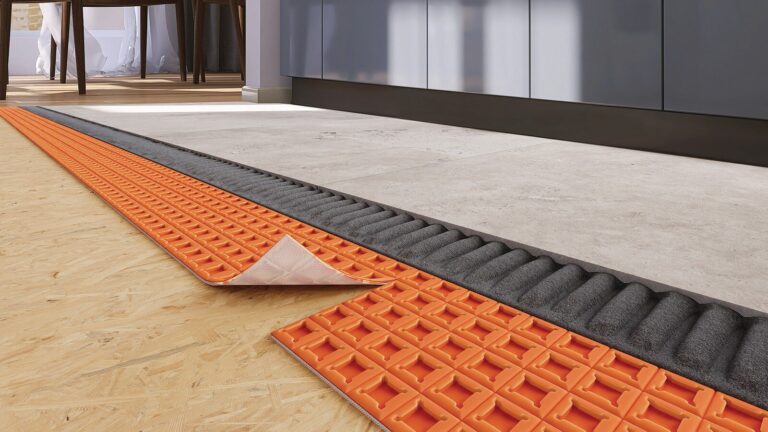
| Uncoupling/Drainage Mat | Polyethylene | Prevents tile cracking; manages moisture. | High-movement, high-traffic areas. |
| Cementitious Waterproofing | Polymer-Modified Cement | High bond strength; breathable. | Damp-prone environments. |
The decision logic here involves assessing the specific site constraints. A balcony with an intricate, curved railing may necessitate a liquid-applied system to avoid the complications of cutting and sealing membrane sheets. Conversely, a large, rectangular commercial balcony often benefits from the uniformity and speed of a sheet-applied system.
Real-World Scenarios and Decision Logic Best Waterproofing Options For Tiled Balconies
Consider a scenario involving a residential balcony in a freeze-thaw climate. Here, the best waterproofing options for tiled balconies must prioritize elasticity at low temperatures. A rigid or brittle sealant will crack during the winter, allowing snowmelt to penetrate. In this instance, a high-elongation polyurethane membrane is superior to a cementitious system.
In another scenario, a ground-floor balcony with limited height clearance requires a thin-profile assembly. Using a thick, multi-layered drainage mat might raise the floor height above the threshold of the door. Here, the designer must select a thin, bond-to-concrete liquid membrane and accept that the drainage capacity will be lower, necessitating a more rigorous approach to surface-level slope (pitch).
Planning, Cost, and Resource Dynamics
Waterproofing is often the budget line item most susceptible to cost-cutting, yet it is the most expensive to rectify upon failure.
| Component | Cost Impact | Risk Profile |
| Substrate Preparation | High | Extreme |
| Membrane Selection | Medium | Moderate |
| Perimeter Detailing | Low (Labor) | Extreme |
The hidden cost of “cheap” waterproofing is the eventual removal of all finished tiles and the potential repair of the balcony slab itself. When evaluating the best waterproofing options for tiled balconies, one must account for the labor-intensive nature of proper detailing at walls, drains, and door thresholds. These areas, not the center of the balcony, represent 90% of failures.
Tools, Strategies, and Support Systems
-
Slope Testing (The “Flood Test”): Before any tile is laid, the membrane must be flooded for 24–48 hours to confirm watertightness.
-
Perimeter Flashing: Use high-grade stainless steel or custom-fabricated metal to manage water at the wall-to-floor junction.
-
Hydrostatic Relief Valves: In some climates, internal vapor pressure can pop tiles; pressure-relief vents can mitigate this.
-
Movement Joints: Do not treat a balcony as one monolithic tile field. Incorporate color-matched sealant joints every 8 to 12 feet.
-
Substrate Primer: Always use a compatible primer to ensure the membrane achieves a monolithic bond.
-
Drainage Grates: Ensure the drain is designed for a “two-stage” flow (catching water at both the surface and the membrane level).
Risk Landscape and Failure Modes Best Waterproofing Options For Tiled Balconies
The primary failure mode is the “bathtub effect,” where water penetrates the tile grout and becomes trapped on top of the waterproof membrane because the membrane was not properly sloped or the drainage points are clogged. Over time, this trapped water expands during freezing or creates a permanent “wet zone” that eventually degrades the mortar bond, causing the tiles to drum and pop.
Compounding risks occur when there is poor communication between the trades. For example, a railing installer might drill through the waterproof membrane to secure a post. If this penetration is not sealed with the same material as the membrane, it creates a direct conduit for water into the structure.
Governance, Maintenance, and Long-Term Adaptation
Maintenance is not “cleaning,” but systematic inspection.
-
Annual Review: Inspect sealant joints at the perimeter and around posts. These are the first points of fatigue.
-
Drain Clearance: Ensure that both the surface drain and the weep holes are free of debris.
-
Resealing: Reapply grout sealers every 2–3 years to maintain the water-repellency of the grout itself, thereby reducing the volume of water the membrane must handle.
Measurement, Tracking, and Evaluation Best Waterproofing Options For Tiled Balconies
Documentation is critical for long-term accountability.
-
Photo Log: Maintain high-resolution photos of the substrate preparation, the membrane application (especially at corners), and the final drainage configuration.
-
Humidity Monitoring: In high-risk areas, installing simple moisture sensors under the tile field can provide early warning of a breach.
-
Performance Tracking: Document the date of any significant maintenance or sealing to establish a lifecycle expectation for the specific materials used.
Common Misconceptions and Oversimplifications
-
“Tile is waterproof”: False. Tile is, at best, water-resistant; grout is porous.
-
“One coat is enough”: Membranes require specific mil thicknesses; layering is necessary for consistency.
-
“Slope doesn’t matter if you have a good membrane”: Standing water will eventually degrade any membrane.
-
“Concrete is a waterproof barrier”: Concrete is permeable and prone to microscopic cracking.
-
“Sealant on the surface is all you need”: Surface sealants are temporary and do not replace a primary membrane.
-
“Cheaper products perform the same”: In waterproofing, performance is directly linked to polymer quality and longevity.
Ethical and Contextual Considerations Best Waterproofing Options For Tiled Balconies
The selection of the best waterproofing options for tiled balconies carries an ethical weight. Designers and contractors are responsible for the structural longevity of a building. Choosing inferior products to win a bid, while knowing the assembly will fail within a decade, is a violation of professional stewardship. Furthermore, environmental impact should be considered; some solvent-based membranes have high VOCs, while modern alternatives offer lower environmental toxicity without sacrificing performance.
Synthesis and Strategic Judgment
The best waterproofing options for tiled balconies are not found on a shelf; they are built through a combination of rigorous surface preparation, informed material selection, and an obsession with detail at the perimeter. The goal is to create a system that acknowledges the inevitability of moisture and manages it with grace. By focusing on the structural interface, maintaining a clear drainage path, and treating the membrane as the primary line of defense, one can achieve a level of durability that protects the building and the investment for decades. Patience in the planning phase, coupled with disciplined execution, remains the only reliable path to long-term success.