Best Fire Rated Balcony Waterproofing Options for High Rises: A Professional Guide
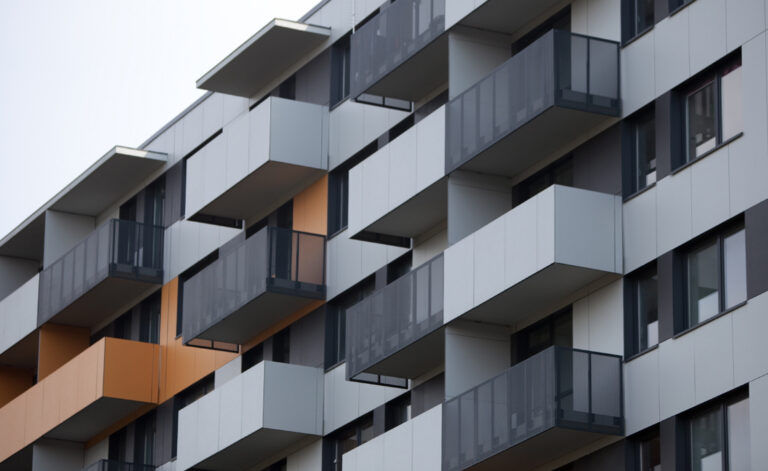
Best fire rated balcony waterproofing options for high rises the vertical growth of modern urban centers has fundamentally shifted the focus of balcony design from mere aesthetic convenience to a critical component of life-safety infrastructure. In high-rise construction, the balcony is not an isolated architectural appendage; it is a potential conduit for fire spread, effectively bridging floor levels and compromising the compartmentalization required to protect occupants. When traditional waterproofing systems, often composed of combustible polymers, are introduced to this high-risk environment, they demand an rigorous fire-rating verification that moves far beyond basic flammability tests.
Determining the appropriate waterproofing for a high-rise structure requires a departure from standard residential protocols. Architects and fire engineers must reconcile the competing requirements of hydraulic protection and combustion resistance. A system that offers excellent water-shedding capabilities may contain resins that contribute to fire load, or worse, toxic smoke production. Consequently, the selection of protective assemblies has become a discipline of forensic engineering, where chemical composition, heat release rates, and flame spread indices are scrutinized with equal weight.
This article provides an analytical framework for identifying and deploying materials that meet the stringent fire-safety standards demanded by contemporary building codes. By examining the interplay between membrane chemistry, substrate stability, and assembly integration, we define the parameters for building envelopes that remain secure in the face of both environmental moisture and extreme thermal events.
Table of Contents
Understanding “best fire rated balcony waterproofing options for high rises”
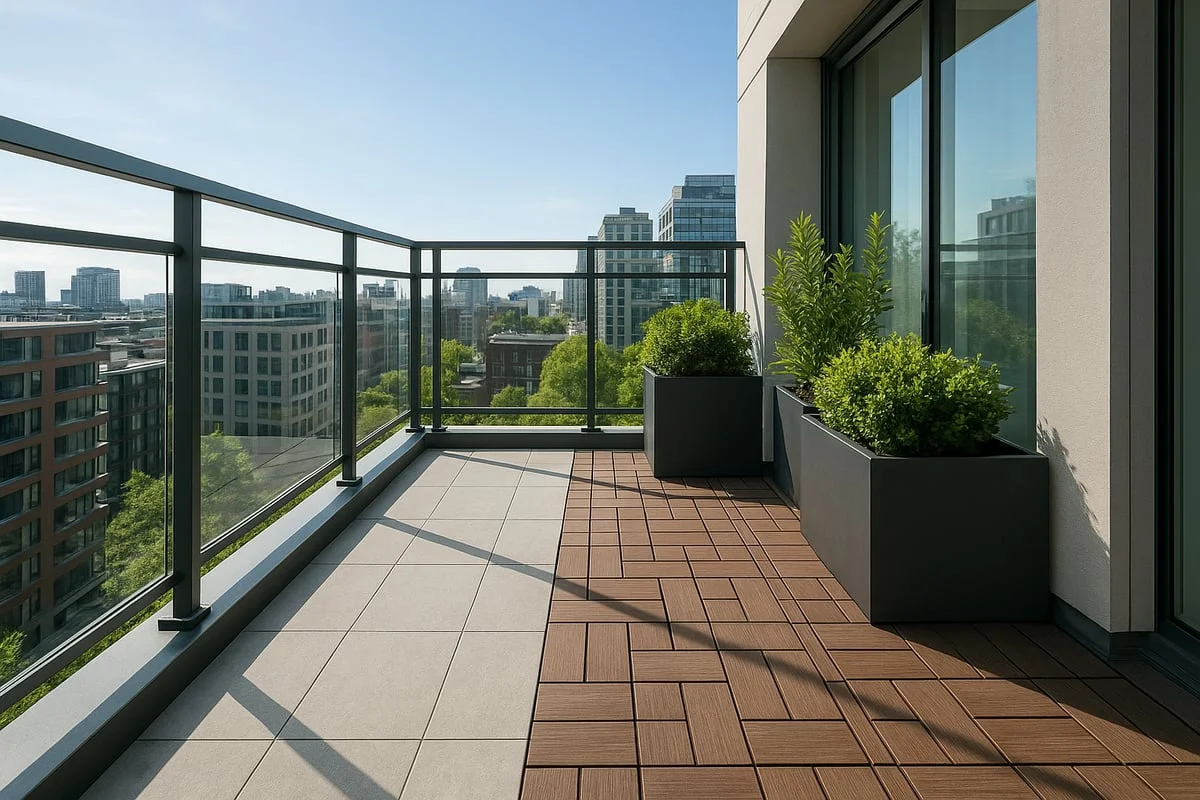
To identify the best fire rated balcony waterproofing options for high rises, one must first navigate the labyrinth of international building codes (such as NFPA or IBC standards). A frequent misunderstanding is the belief that “fire-rated” refers to the waterproofing membrane itself. In reality, the rating applies to the entire assembly—the substrate, the membrane, the protection layer, and the finish. An inert membrane placed on a combustible substrate creates a dangerous, deceptive assembly that can fail during a fire event.
Oversimplification in this field often leads to “lab-test bias,” where products are selected based on single-material performance rather than system-wide behavior. When you look for the best fire rated balcony waterproofing options for high rises, you are not just selecting a product; you are selecting a validated system that has been tested to simulate real-world vertical fire spread. If a membrane meets fire standards on a flat test bench but fails to account for how heat concentrates at the junction between the slab and the curtain wall, that system is fundamentally unfit for high-rise application.
Deep Contextual Background
Best fire rated balcony waterproofing options for high rises the integration of fire-safe waterproofing in tall buildings is a relatively recent development, accelerated by high-profile failures in the last decade where external claddings and membranes acted as fuel rather than protection. Historically, waterproofing was prioritized purely for water-shedding, with fire considerations limited to the building’s internal structural fire-proofing.
Today, the industry recognizes that the exterior envelope is as vital as the internal fire-stopping. The development of intumescent-like waterproofing polymers and mineral-based barrier systems has allowed engineers to maintain waterproof integrity while significantly reducing the potential for flame spread. This evolution represents a fundamental shift: the waterproofing is no longer just a “skin” to protect against rain, but a “fire-stop” element that contributes to the overall compartmentalization of the high-rise structure.
Conceptual Frameworks and Mental Models Best Fire Rated Balcony Waterproofing Options For High Rises
-
The Compartmentalization Model: View the balcony assembly as an extension of the floor slab. Its primary job in a fire event is to prevent the vertical movement of flame from one level to the next.
-
The Heat-Release Rate (HRR) Framework: Evaluate materials not by whether they burn, but by how fast they release heat if they do catch fire. A material with a low HRR is vital in confined balcony spaces to prevent rapid flashover.
-
The Assembly Integrity Model: Every waterproofing system is part of a “stack.” If the finish (tiles) and the bedding (mortar) remain intact while the membrane burns underneath, the assembly will eventually collapse. The focus must remain on the durability of the full system under thermal load.
Key Categories and Technical Variations
When reviewing the best fire rated balcony waterproofing options for high rises, categorizing by material chemistry is essential:
Selection logic should follow the “worst-case scenario” rule: if the membrane is applied over a high-traffic area, prioritize mechanical resilience; if applied to an inaccessible decorative balcony, prioritize non-combustibility.
Detailed Real-World Scenarios Best Fire Rated Balcony Waterproofing Options For High Rises
1. The Cantilevered High-Rise Balcony
Cantilevers are subject to significant structural deflection. The best fire rated balcony waterproofing options for high rises here must bridge the gap between fire-rating and elasticity. Mineral-bonded systems that are too brittle will crack under movement, leading to water ingress, which in turn leads to corrosion that destroys the fire-rating of the steel reinforcement.
2. The Integrated Podium Deck
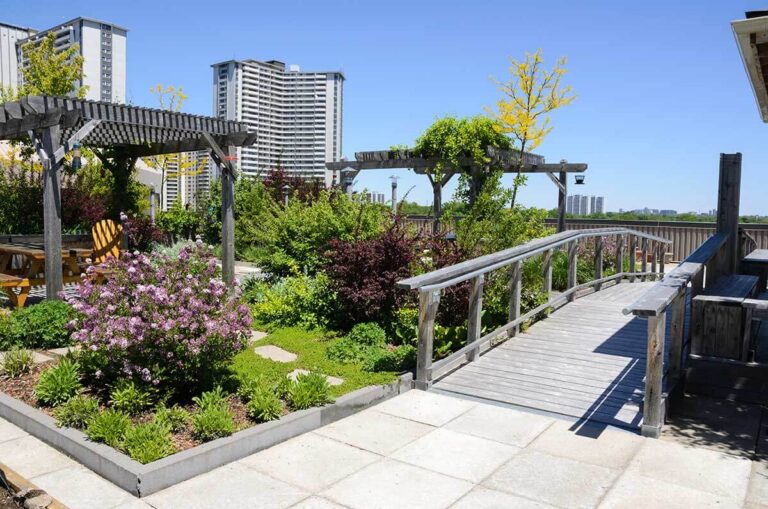
Podiums often feature landscaping. The fire risk is compounded by the fuel load of vegetation. The system must be moisture-tight to prevent water damage to the basement levels below, while the fire-rated membrane must be protected by an inorganic drainage layer to prevent direct heat transmission.
Planning, Cost, and Resource Dynamics
The economic challenge of fire-rated systems is the significantly higher cost of non-combustible materials compared to traditional polymers.
Avoid the trap of “value engineering.” Replacing a fire-validated assembly with a generic alternative during the procurement phase is the single greatest risk to the long-term fire safety of a high-rise building.
Tools, Strategies, and Support Systems Best Fire Rated Balcony Waterproofing Options For High Rises
-
System Certification Logs: Require full, third-party certification of the entire assembly (membrane + tile + adhesive).
-
Thermographic Audits: Conduct post-installation audits to ensure no voids exist where flame could propagate.
-
Material Compatibility Testing: Verify that the fire-rated membrane does not chemically degrade when in contact with the chosen structural sealants.
Risk Landscape and Failure Modes
-
The “Deceptive Non-Combustibility” Trap: A membrane may be non-combustible, but the adhesives used to install it may be flammable. This creates a “fuel-sandwich” where the glue burns, causing the membrane to detach and become an uncontained fire hazard.
-
Substrate Deterioration: If water reaches the substrate due to poor detailing, the structural integrity of the balcony declines, eventually compromising its ability to withstand fire-induced thermal stress.
Governance, Maintenance, and Long-Term Adaptation Best Fire Rated Balcony Waterproofing Options For High Rises
Maintain a Layered Checklist for high-rise fire safety:
-
Bi-Annual Fire-Stop Inspection: Verify that balcony-to-curtain-wall seals are intact.
-
Annual Waterproofing Audit: Detect leaks before they can degrade structural reinforcement.
-
Renovation Control: Prohibit any tenant-led balcony flooring changes that might introduce combustible materials or cover up fire-rated assemblies.
Measurement, Tracking, and Evaluation
-
Leading Indicators: Certified laboratory results for the full assembly as per local high-rise fire safety codes.
-
Lagging Indicators: Evidence of surface delamination or substrate movement, which reduces the assembly’s ability to survive a thermal event.
-
Documentation: Maintain a comprehensive “Fire & Water Integrity Dossier” for every balcony on every floor, documenting the specific materials and installation methods used.
Common Misconceptions and Oversimplifications Best Fire Rated Balcony Waterproofing Options For High Rises
-
Myth: “Waterproofing has nothing to do with fire safety.” Correction: In high-rises, the waterproofing assembly is often the only thing between the interior and the external flame source.
-
Myth: “If it is labeled ‘Class A,’ it is safe.” Correction: ‘Class A’ refers to surface burning characteristics; it does not measure how an entire complex assembly behaves when exposed to fire on a high-rise facade.
-
Myth: “Tiles protect the membrane from fire.” Correction: Unless the mortar and adhesive are also fire-rated, they can liquefy or fail under heat, leaving the membrane exposed.
Ethical, Practical, and Contextual Considerations
The duty of the project architect and fire engineer is to prioritize life safety over structural convenience. In high-rise environments, the margin for error is non-existent. Ethical design requires that the best fire rated balcony waterproofing options for high rises be specified based on demonstrated system performance in fire conditions, not on the ease of application or material cost.
Conclusion Best Fire Rated Balcony Waterproofing Options For High Rises
Securing a high-rise balcony requires a commitment to a multi-layered defensive strategy. Waterproofing is not merely a protection against weather; it is a critical component of a building’s overall fire-safety infrastructure. By acknowledging the interplay between membrane chemistry, assembly design, and structural stability, stakeholders can select assemblies that perform effectively during both routine moisture events and rare, high-impact fire emergencies. The integrity of a high-rise rests on the reliability of every layer, making the informed selection of these materials an essential responsibility of the modern design professional.