The Evolution of the Elevated Domestic Interface
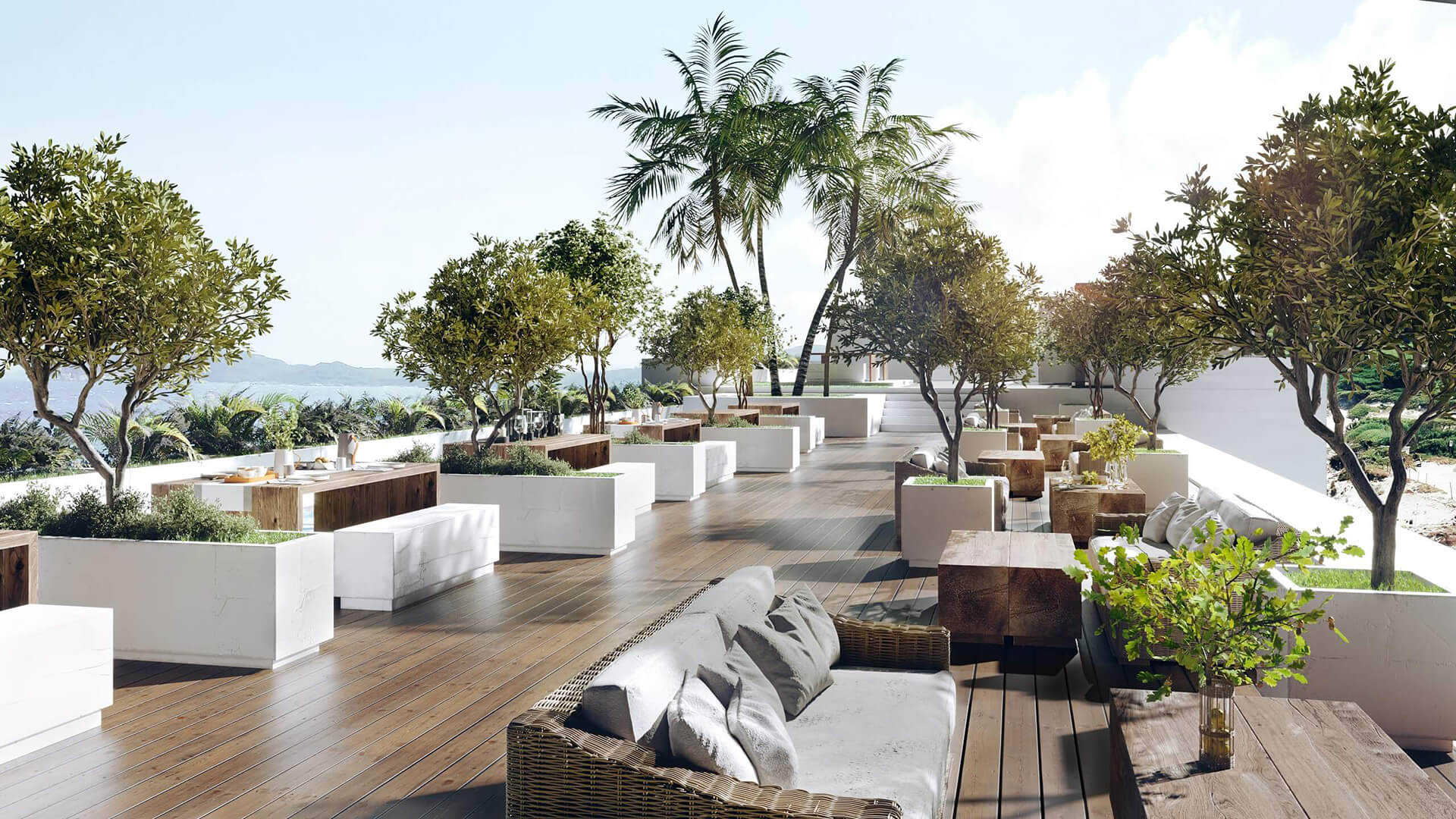
Luxury smart terraces usa the contemporary residential landscape is witnessing a profound transformation in how we define outdoor living spaces. No longer merely appendages to the home, terraces are being reimagined as sophisticated, technologically integrated ecosystems that function as seamless extensions of the primary interior. This shift represents a move toward the “biophilic-technological” hybrid, where the control of climate, light, sound, and even air quality is automated to respond dynamically to occupant needs and environmental conditions.
However, the rapid integration of high-end digital systems into exposed exterior environments introduces significant engineering complexities. Protecting precision hardware from moisture, thermal fluctuation, and UV degradation—while maintaining an aesthetic of refined minimalism—requires a level of planning often underestimated in standard residential design. Success in this field demands a rigorous synthesis of architectural vision and systems-level engineering.
This analysis explores the systemic integration of automated comfort, environmental management, and structural design within the modern American home. By moving beyond the veneer of convenience, the following sections examine the critical infrastructure, technical failure modes, and long-term maintenance strategies required to maintain high-performance outdoor assets in diverse regional climates.
Table of Contents
Understanding “luxury smart terraces usa”
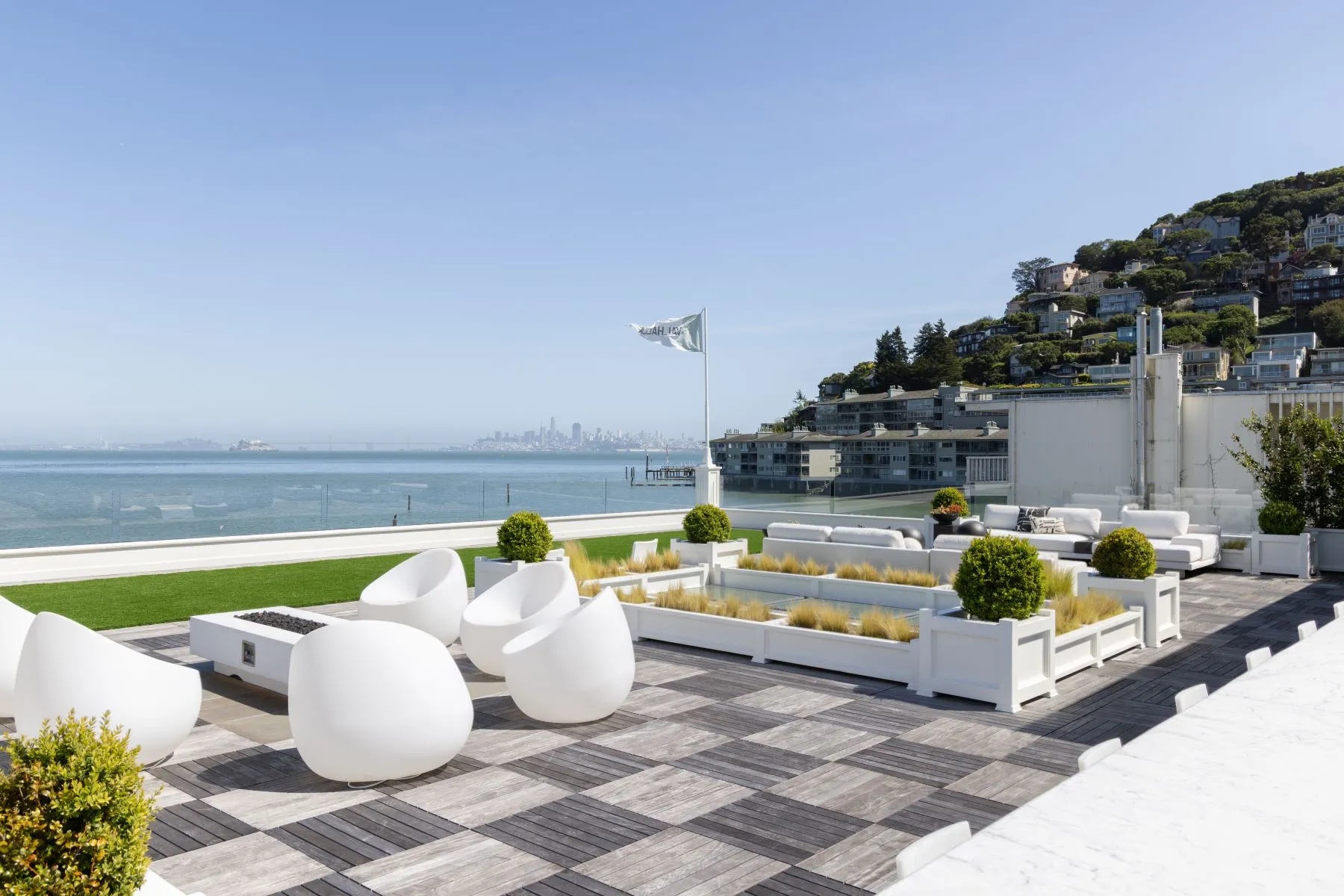
The term luxury smart terraces usa describes a category of high-performance architectural spaces that leverage advanced automation and material science to provide climate-controlled, secure, and intuitive outdoor living. These are not simply decks equipped with Wi-Fi; they are fully realized systems where motorized pergolas, automated lighting scenes, integrated climate control, and smart shading work in concert to manipulate the environment. The “luxury” component is found not just in the finish materials, but in the effortless responsiveness of the space.
A primary misunderstanding regarding these spaces is the conflation of “smart” with “wireless.” In professional-grade infrastructure, reliance on standard consumer-grade wireless protocols often leads to latency and reliability issues. The most stable systems utilize hardwired backbones (PoE or fiber-optic) to ensure that lighting arrays, security sensors, and motorized structural elements remain synchronized regardless of network interference.
Another oversimplification is the disregard for structural loading. Integrating heavy glass wind screens, automated structural roofing, and high-fidelity sound systems adds significant weight and electrical load, necessitating an architectural approach that accounts for distributed structural pressure. The challenge is in creating a space that feels spontaneous and fluid while being supported by a rigid, complex, and highly disciplined technical foundation.
Deep Contextual Background
Luxury smart terraces usa the development of the modern terrace has been influenced by three parallel evolutionary tracks. First, the advancement of weather-resistant material science, particularly in aluminum extrusion, high-performance glass, and marine-grade polymers, allowed for more aggressive architectural geometries. Second, the democratization of industrial automation technologies—originally designed for commercial buildings—provided the software backbone for residential outdoor control. Finally, the shifting cultural expectation of the home as a multifunctional environment, accelerated by changes in remote work and lifestyle fluidity, prompted homeowners to invest in exterior spaces that could function across seasons.
Early attempts at these spaces often failed due to “system bloat”—too many disparate devices lacking a centralized control architecture. Modern standards have moved toward holistic platforms where the terrace environment is treated as a distinct zone within a building management system (BMS), ensuring that environmental triggers (e.g., precipitation sensors or wind-load warnings) automatically force the system into a protective “safe state.“
Conceptual Frameworks: The Integrated Outdoor Paradigm Luxury Smart Terraces Usa
To analyze the efficacy of a modern terrace, one must apply specific mental models:
-
The Environmental Resilience Ladder: This framework evaluates the ability of a system to maintain performance under degradation—moisture, heat, cold, and salt. A top-tier terrace is graded not by its features, but by how it functions when the software or power is offline.
-
The Human-Environment Synergy Model: This model treats the terrace as a dynamic organism. Occupant presence, time of day, and ambient climate are inputs that the system uses to adjust luminosity, wind shielding, and thermal output (radiant heating) without explicit human commands.
-
The Modular Service Backbone: This recognizes that hardware (sensors, lights, motors) will fail or become obsolete faster than the structural architecture. The design must allow for “serviceability paths”—concealed but accessible channels for replacing wires and upgrading modules.
Key Categories and Technological Variations
| Feature Category | Primary Technology | Trade-offs | Ideal Application |
| Structural Shielding | Motorized Louvered Roofs | Heavy load, high complexity | Climate-volatile zones |
| Climate Regulation | Infrared Radiant Heaters | High electrical load | Cool climate urban terraces |
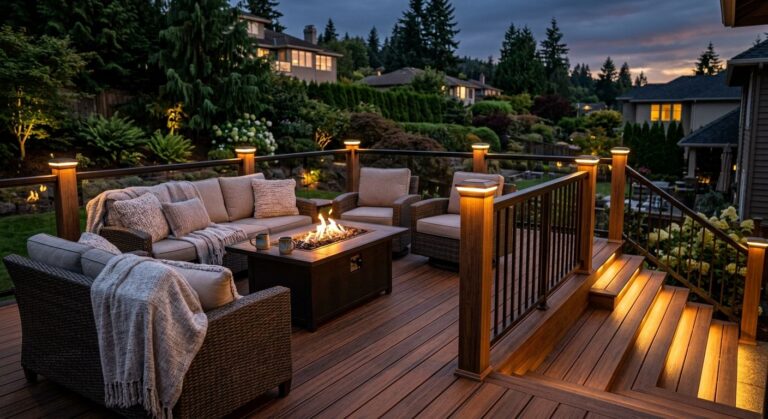
| Visual/Atmospheric | DALI-controlled RGBW LED | Complex wiring/integration | Evening-focused social areas |
| Acoustic Management | Directional Outdoor Speakers | Requires acoustic planning | High-density urban environments |
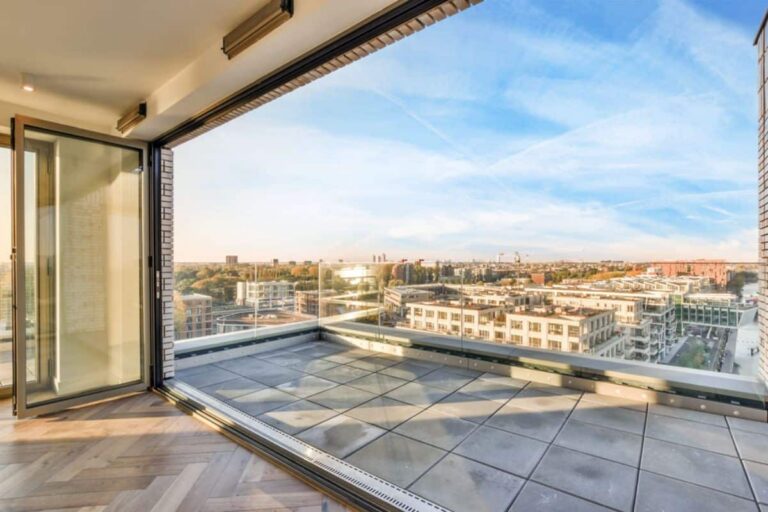
| Dynamic Partitioning | Automated Retractable Glass | Structural/weight intensive | Exposed high-rise balconies |
Realistic Decision Logic
When navigating these categories, the priority must be the structural and electrical capacity of the host building. If a terrace is planned for an existing structure, the decision logic often hinges on weight. Retrofitting motorized louvered systems on older structures requires significant engineering verification. Conversely, new construction allows for the integration of hidden conduits and structural reinforcement that can support more aggressive, heavier hardware.
Real-World Scenarios and Decision Logic Luxury Smart Terraces Usa
Coastal Exposure
-
Constraint: Salt air and extreme wind.
-
Failure Mode: Galvanic corrosion of control hardware and hardware binding from salt crystallization.
-
Decision: Utilize only 316-grade stainless steel or marine-grade anodized aluminum. All control modules must be hermetically sealed in remote NEMA 4X-rated enclosures.
-
Second-Order Effect: Increased maintenance frequency for cleaning salt deposits off glass and sensor surfaces to maintain sensitivity.
High-Density Urban Environment
-
Constraint: Limited footprint and light/noise pollution.
-
Failure Mode: Systemic overload from ambient city light interfering with automated lighting scenes.
-
Decision: Deploy directional smart-lighting scenes and acoustic buffering screens that act as natural sound dampers.
-
Second-Order Effect: The terrace becomes a “contained bubble,” requiring careful attention to ventilation to avoid heat trapping in summer.
Planning, Cost, and Resource Dynamics
The implementation of luxury smart terraces usa requires a multi-stage budgeting process. Direct costs cover the hardware and structural materials, but the indirect costs—engineering consultations, specialized labor, and long-term network management—often exceed the initial hardware budget.
| Cost Variable | Percentage of Total | Variability Factor |
| Structural/Hardscaping | 40% | Site access, foundation needs |
| Smart Automation/Electrical | 30% | Complexity of integration/cabling |
| Engineering/Design Oversight | 15% | Permitting and load calculations |
| Commissioning/Fine-Tuning | 15% | Scene programming and testing |
Risk Landscape and Failure Modes
-
Sensor Degradation: Exterior sensors (wind, rain, light) are high-failure items due to extreme environment exposure. Without regular calibration, they trigger false-positives, causing systems to oscillate between modes.
-
Protocol Incompatibility: Using “smart” systems from disparate manufacturers without a middleware translation layer often results in system “stuttering.“
-
Condensation Traps: Improperly sealed junction boxes in cool climates become traps for condensation, leading to slow, insidious electrical shorts.
-
Structural Fatigue: Constant movement from automated roofs or glass walls can lead to mechanical fatigue in mounting brackets if the load paths are not perfectly aligned.
Governance, Maintenance, and Long-Term Adaptation Luxury Smart Terraces Usa
A successful terrace is managed through a lifecycle-based governance strategy.
-
Preventative Review: Conduct a bi-annual “system health check.” This includes testing the responsiveness of every sensor and inspecting structural connections for tension and corrosion.
-
Firmware Lifecycle: Digital systems require managed updates. Ensure that firmware updates are tested in a non-production environment before deployment to the terrace.
-
Adjustment Triggers: Monitor environmental performance against energy consumption. If heating costs for an outdoor zone exceed expected thresholds, adjust the sensor-based activation logic.
Measurement, Tracking, and Evaluation
-
Leading Indicators: System uptime, responsiveness time for automation commands, and sensor signal accuracy.
-
Lagging Indicators: Total energy consumption, hardware replacement frequency, and incidence of system-triggered errors.
-
Qualitative Signals: User satisfaction and perceived comfort in variable weather conditions.
Common Misconceptions Luxury Smart Terraces Usa
-
“Wireless is Sufficient”: Professional installations rely on wired backbones for reliability.
-
“Automation Eliminates Maintenance”: Automation increases maintenance; it shifts effort from operation to technical upkeep.
-
“Standard Pergolas are Smart”: Smart systems require integrated power and control, not just a motorized roof.
-
“Weather Resistance equals Weatherproof”: All exterior electronics will eventually succumb; the goal is to prolong the interval until failure.
-
“More sensors are better”: Over-sensoring leads to system “jitter,” where the terrace responds to every minor atmospheric fluctuation.
-
“Integration is plug-and-play”: Complex exterior systems require professional commissioning to calibrate lighting and climate interactions.
Conclusion
The architecture of luxury smart terraces usa reflects a maturing understanding of the home as a dynamic, responsive environment. These spaces succeed when they balance the high-tech requirements of modern comfort with the fundamental physics of the exterior landscape. There is no shortcut to this level of performance; it demands a disciplined approach to structural engineering, electrical design, and long-term system governance. By prioritizing stability and serviceability, homeowners and architects can create outdoor spaces that remain relevant and resilient against the changing demands of both the climate and the digital era.