How to Reduce Balcony Waterproofing Cost: Expert Technical Guide
How to reduce balcony waterproofing cost balcony waterproofing is often categorized by property owners as a sunk cost—an invisible expenditure required by code, buried beneath tiles and mortar, and forgotten until the first sign of efflorescence or structural staining appears. However, viewing waterproofing as merely a regulatory hurdle is a fundamental error in asset management. When moisture bypasses the surface, it does not simply sit; it undergoes thermodynamic cycles of expansion and contraction that compromise the integrity of the slab, the fasteners, and the interior finishes of the dwelling beneath.
Homeowners and contractors alike often gravitate toward the lowest-cost membrane or the fastest installation method, failing to account for the catastrophic second-order effects of these choices. A failed membrane, while inexpensive to install, carries an exponential cost penalty: the removal of the finished floor, the structural repair of the concrete, and the remediation of water damage in the living space below.
Achieving long-term fiscal efficiency requires a shift from reactive repair to proactive, high-precision installation. This guide moves beyond the surface-level advice of “choosing a cheaper product,” exploring the systemic engineering variables that dictate the longevity of a balcony assembly. By understanding the mechanical interactions between substrate prep, drainage, and membrane specification, one can execute a waterproofing project that is both fiscally responsible and structurally durable, ensuring that the initial investment remains protected against the environmental pressures that typically drive maintenance costs skyward.
Table of Contents
Understanding “how to reduce balcony waterproofing cost”
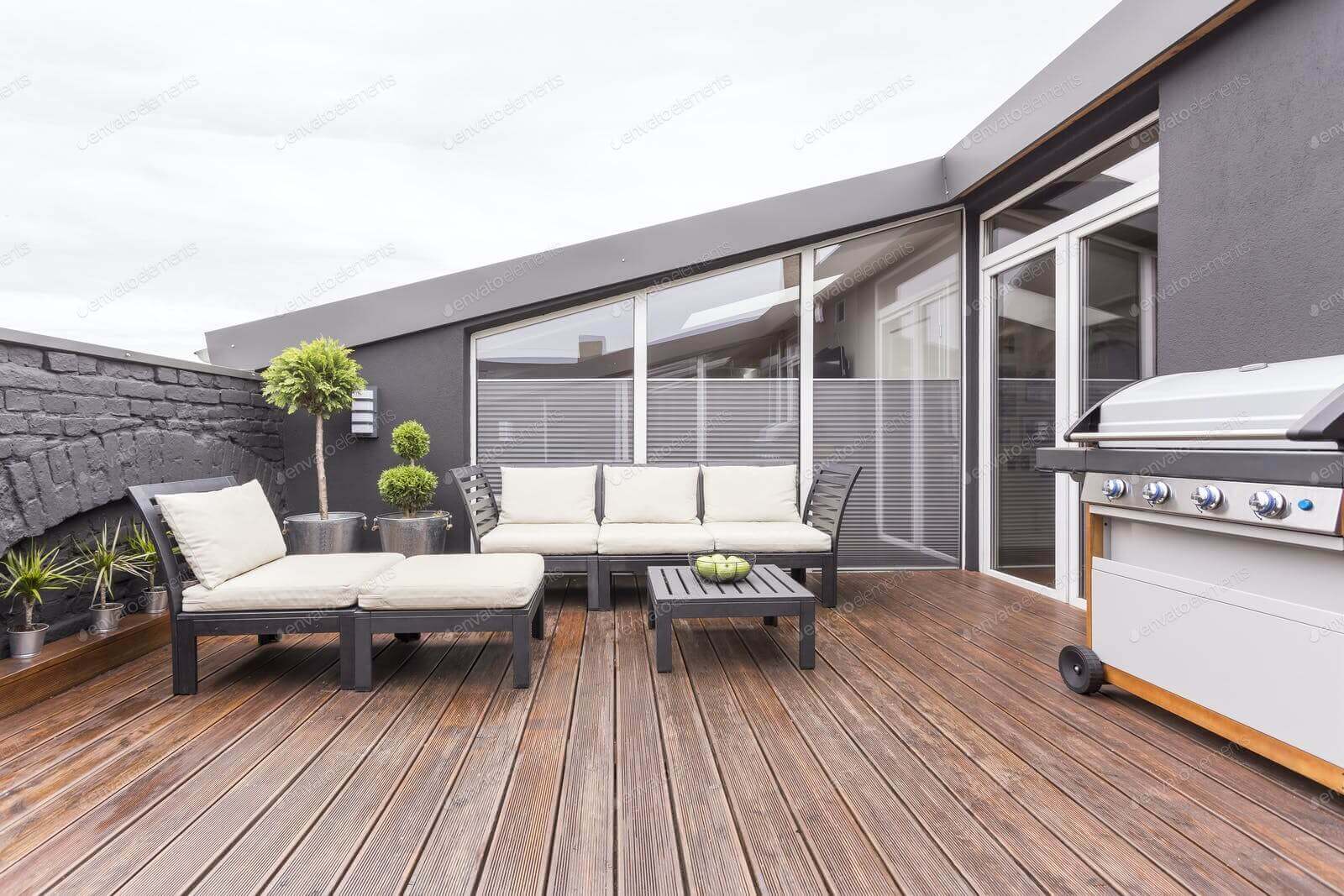
The process of learning how to reduce balcony waterproofing cost begins with a radical reassessment of where value is actually created. A common, and often disastrous, misunderstanding is that the membrane is the only element that matters. In reality, the membrane is simply the final seal in a long chain of preparation. Many budget-driven projects collapse because they allocate 80% of the budget to a premium-priced membrane while neglecting the foundational work of slope correction and substrate leveling, which are the true drivers of system longevity.
Risk of oversimplification remains high when practitioners prioritize speed of installation over technical rigor. When exploring how to reduce balcony waterproofing cost, it is critical to recognize that a “budget” approach is not synonymous with “cheap.”Efficiency is the result of getting the detail right the first time, not selecting the cheapest product on the shelf.
Deep Contextual Background
How to reduce balcony waterproofing cost historically, balcony waterproofing relied on thick, multi-layered bitumen assemblies that were durable but notoriously rigid and difficult to repair. As architectural design evolved toward thinner profiles and lightweight structural materials, the market transitioned toward high-performance fluid-applied and thin-film sheet membranes. While these modern products offer superior flexibility and chemical resistance, they also require a far more refined environment for installation.
These heavy, non-porous finishes create a “thermal blanket” over the balcony surface, trapping moisture and magnifying the stress on the underlying membrane. As buildings have become more energy-efficient and air-tight, the moisture management requirements for exterior structures have grown more complex. We are now in a period where the industry is learning that the balcony is not just a floor, but a roof for the building’s interior. Consequently, the historical “DIY-level” approach to waterproofing is increasingly yielding to a more rigorous, engineered approach that values longevity and moisture equilibrium above initial installation speed.
Conceptual Frameworks and Mental Models How To Reduce Balcony Waterproofing Cost
-
The Lifecycle Cost Model (LCCM): This framework forces a shift in focus from “upfront capital expense” (CAPEX) to “operational expense” (OPEX). An investment that doubles the service life of a balcony by 100% while only increasing the initial cost by 20% is, in fact, a massive reduction in long-term cost.
-
The Drainage-First Hierarchy: Water on the surface is a nuisance; water inside the assembly is a catastrophe. If the design does not facilitate the rapid gravity-draining of water away from the structure, the membrane will always be overwhelmed. Investing in a proper slope is the highest-ROI decision one can make.
-
The Interface Sensitivity Principle: The vast majority of failures occur at the transitions: wall-to-floor junctions, drain penetrations, and railing attachment points. Reducing costs here is impossible without inviting disaster; these areas must be treated as “high-intensity zones” that require redundant protection and high-grade detailing.
Key Categories and Technical Variations
When analyzing how to reduce balcony waterproofing cost, one must categorize the systems available and understand their specific maintenance profiles.
The decision logic here is driven by the intended use and the “exposure level.” A covered balcony has different requirements than an exposed, high-traffic walkway. Choosing a system that is over-engineered for the specific usage level is a primary source of unnecessary expenditure.
Real-World Scenarios and Decision Logic How To Reduce Balcony Waterproofing Cost
Consider a scenario involving a residential balcony with a significant slope issue. The homeowner wants to minimize costs and decides to simply install a high-end membrane over the existing, poorly sloped concrete. The second-order effect is inevitable standing water, which degrades the membrane through constant hydrolysis. The how to reduce balcony waterproofing cost logic in this case would have been to perform a thin-set mortar leveling bed before applying the membrane. Although this increases the initial material cost, it prevents the inevitable repair costs that arise within two years.
In another instance, a contractor opts to use a cheaper sealant at the perimeter wall-to-floor junction. Because the building experiences significant thermal movement, the cheaper sealant cracks during the first winter. The cost to repair this leak—including interior dry-wall replacement and mold mitigation—is forty times the cost of the high-performance joint sealant they initially avoided. The decision point here is clear: categorize high-risk zones and allocate the “best” resources only where they provide the maximum protective benefit.
Planning, Cost, and Resource Dynamics
Economic optimization requires a clear understanding of the difference between “material spend” and “system performance.”
Opportunity cost is realized when maintenance labor replaces quality materials. Investing an additional 5% in high-grade stainless flashing can save 50% in future maintenance labor over the next decade.
Tools, Strategies, and Support Systems
-
Back-Buttering Techniques: Ensuring 100% bond coverage for tiles is an essential, low-cost practice that prevents future delamination.
-
Movement Joint Profiles: Prefabricated profiles allow for easier installation than site-formed joints, reducing labor costs.
-
Manufacturer-Certified Installers: While this increases upfront cost, it often comes with long-term labor warranties that effectively de-risk the investment.
Risk Landscape and Failure Modes How To Reduce Balcony Waterproofing Cost
The combination of standing water (drainage failure) and trapped vapor (breathability failure) creates an acidic environment that can penetrate even the best-applied membranes. If one is investigating how to reduce balcony waterproofing cost, they must understand that they are essentially managing a “risk landscape.” The goal is not to eliminate all costs, but to eliminate the unexpected costs of catastrophic failure. Ignoring these leads to premature failure modes that cost significantly more than the preventative measures initially ignored.
Governance, Maintenance, and Long-Term Adaptation
The balcony is not a static object; it is an active mechanical system. Governance of the balcony involves a twice-yearly review cycle—inspecting sealant joints, verifying that drains are free of debris, and monitoring for any localized staining that indicates moisture bypass. Adaptation is the key to cost control. A layered checklist that tracks these changes over time is a simple, cost-effective way to extend the service life of the system.
Measurement, Tracking, and Evaluation How To Reduce Balcony Waterproofing Cost
-
Leading Indicators: The performance of the drainage system during extreme weather events and the integrity of the perimeter sealant joints.
-
Lagging Indicators: Visual signs of efflorescence, tile “drumming” (indicating loss of bond), or water infiltration beneath the slab.
-
Documentation: Maintaining a “birth certificate” for the balcony—a file containing the original design specs, installation photos, and contact info for the installer—reduces the cost of future investigations by 70% or more.
Common Misconceptions and Oversimplifications
-
“Tile is a waterproof finish”: Tile is a finish, not a barrier; water will always migrate through it.
-
“A thin layer is just as good”: Membrane thickness is specified by the manufacturer for a reason; thinner applications fail under hydrostatic pressure.
-
“The cheapest sealant works for all”: Sealant performance varies wildly based on UV resistance and movement capacity.
-
“DIY fixes are cheaper”: The hidden cost of an incorrect DIY repair is usually double the cost of a professional intervention.
-
“One size fits all membranes”: A membrane that works on a shaded balcony will fail on a southern, heat-stressed deck.
-
“Wait until it leaks to fix it”: Reactive repair is the single most expensive approach to balcony maintenance.
Ethical and Contextual Considerations How To Reduce Balcony Waterproofing Cost
The ethical burden of waterproofing is the long-term stewardship of the building structure. Owners who cut corners in the waterproofing phase are essentially passing a financial liability onto the next user of the property. True fiscal responsibility recognizes that the most economical project is the one that lasts the longest. Transparency regarding the limitations of various systems, and the long-term impact of choosing lower-cost finishes, is a cornerstone of professional and personal integrity in property management.
Synthesis and Strategic Judgment how to reduce balcony waterproofing cost
The strategic approach to understanding how to reduce balcony waterproofing cost lies in the rigorous application of building science, not the cutting of corners. By viewing the balcony as an engineered system that requires moisture equilibrium, and by prioritizing the prevention of future remedial work, one creates a financial model that is resilient to time and environmental stress. The judgment required to succeed is the patience to invest in the details, ensuring that the balcony remains a structural asset rather than a hidden, compounding liability.