The Hydrostatic Integrity of Post-Tensioned Structural Systems
Best post tensioned slab waterproofing options the integration of post-tensioning (PT) technology in modern concrete construction has revolutionized architectural possibilities, enabling longer spans, thinner floor profiles, and increased load-bearing efficiency. However, this same structural elegance introduces a heightened sensitivity to moisture ingress. A post-tensioned slab is not merely a static mass; it is a system under constant internal stress.
Consequently, the management of moisture within PT assemblies is a fundamental requirement of long-term structural stewardship. Achieving a durable moisture barrier requires a multi-layered approach that addresses both the micro-porosity of the concrete and the macro-integrity of the joints and transitions. This article provides a technical deconstruction of the available strategies for moisture control, evaluating the efficacy of diverse membranes, penetrant sealers, and drainage systems within the context of post-tensioned infrastructure.
Table of Contents
Understanding “best post tensioned slab waterproofing options”
To identify the best post tensioned slab waterproofing options, one must first abandon the notion that a single material can resolve every site-specific challenge. The core misunderstanding in the industry is the treatment of a PT slab as a standard slab-on-grade. An inflexible, rigid waterproofing membrane, even if theoretically impermeable, will eventually rupture under the stress of these movements.
Oversimplification in this sector manifests as the premature application of surface sealers, which may trap moisture already present in the concrete, leading to osmotic blistering or localized spalling. A comprehensive understanding requires viewing the PT slab as a system of zones: the anchor zones, the intermediate tendon spans, and the slab-to-wall transitions. Each requires a distinct waterproofing logic. The “best” options are those that provide high elongation properties, UV resistance for exposed decks, and, crucially, vapor permeability if the slab needs to dry out after construction. Failure to account for the vapor drive—the force of moisture migrating from a higher concentration to a lower one—is the most common cause of membrane debonding in PT structures.
Deep Contextual Background
Best post tensioned slab waterproofing options the adoption of post-tensioning shifted the construction industry’s focus from sheer concrete mass to the strategic placement of reinforcement. In the early era of PT development, moisture management was often treated as an afterthought, with the assumption that the concrete density itself was sufficient. The subsequent rise in tendon failure rates, driven by chloride-induced corrosion in coastal environments and carbonation in humid climates, forced a major shift. The evolution has moved from simple bituminous coatings—which were brittle and failed under thermal load—to advanced chemical hybrids, such as elastomeric polyurethanes and crystalline capillary sealers, which interact directly with the concrete chemistry to provide deep-seated protection.
Conceptual Frameworks and Mental Models Best Post Tensioned Slab Waterproofing Options
-
The Elastic-Continuity Model: This dictates that any waterproofing layer must maintain continuity across the slab surface while being elastic enough to accommodate the structural strain of the tensioned steel.
-
The Vapor Migration Gradient: This model visualizes the movement of water vapor through the slab.
-
The Failure-Redundancy Hierarchy: This framework categorizes options into primary barriers (membranes) and secondary protection (crystalline penetrants), ensuring that if the primary layer is breached, the concrete matrix itself retains some hydrophobic character.
Key Categories or Variations
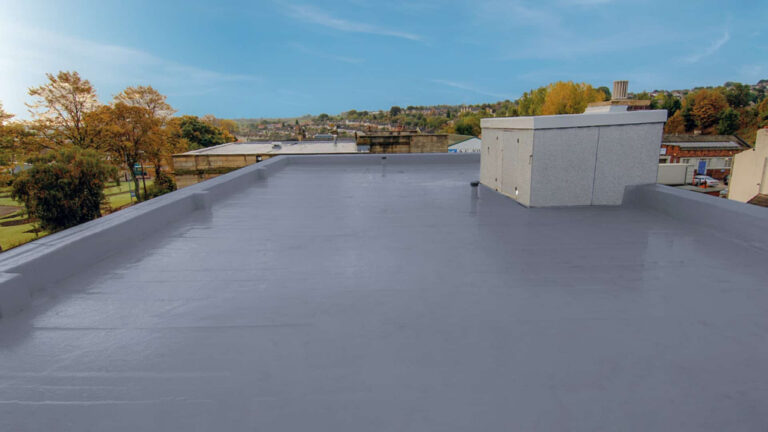
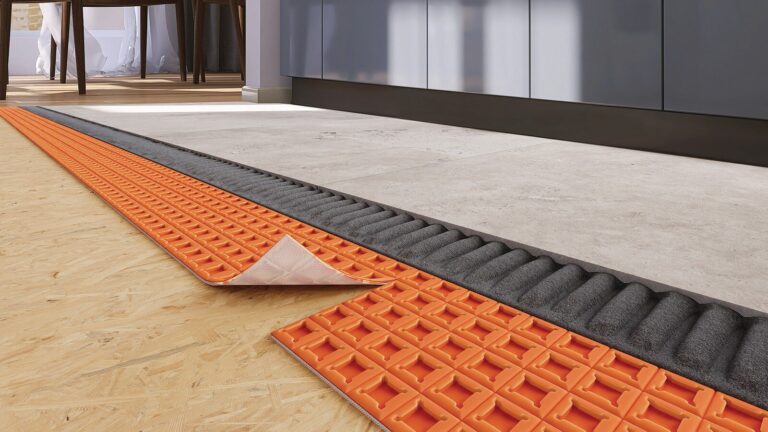
Realistic decision logic: For an exposed post-tensioned parking deck, the elastomeric membrane is the industry standard due to its ability to bridge micro-cracks. For a slab that will be covered by a finish flooring, a vapor-mitigation coating paired with a crystalline penetrant is often more effective, as it prevents the flooring adhesive from failing while protecting the slab from subsurface moisture.
Real-World Scenarios and Decision Logic Best Post Tensioned Slab Waterproofing Options
-
Coastal Residential Balconies: These suffer from extreme salt-spray exposure. The constraints are both UV and chemical. The logic dictates an aliphatic-topcoated elastomeric membrane, ensuring no brittleness from sun exposure and chemical resistance to salt.
-
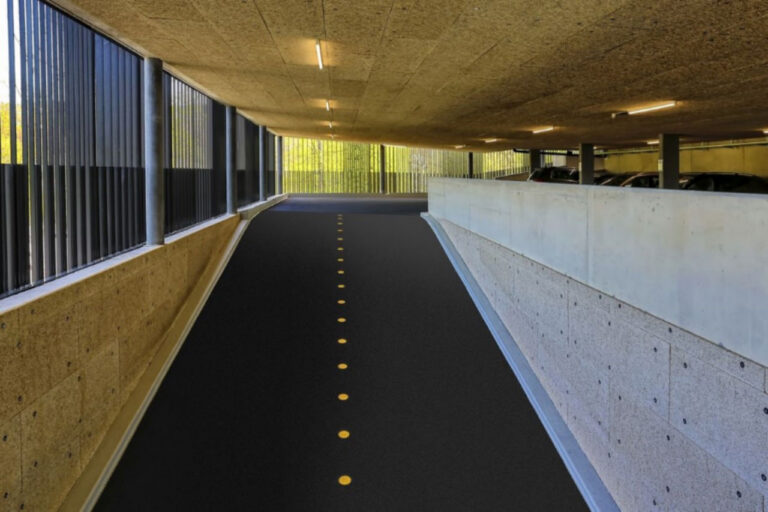
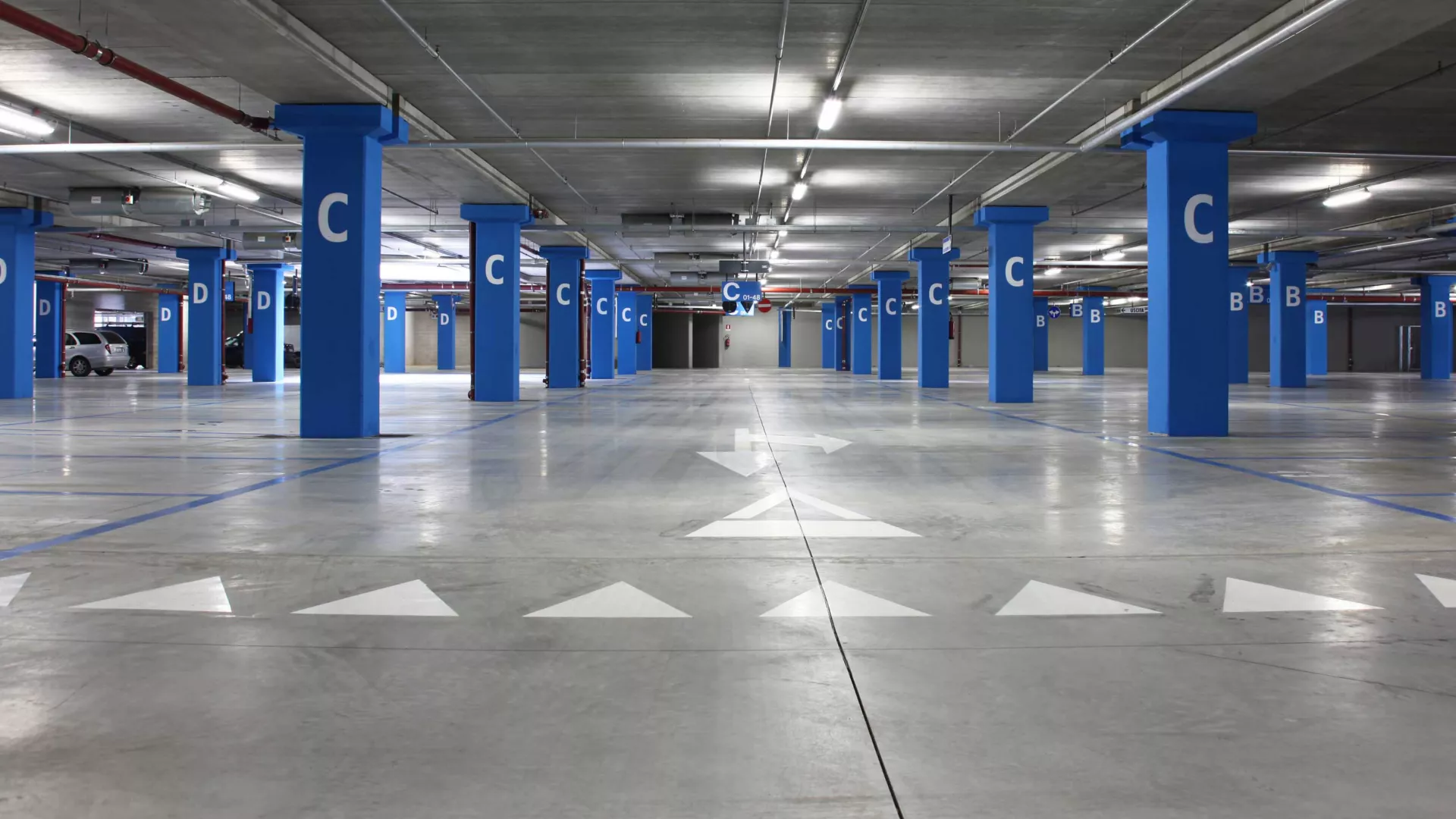
Indoor Parking Garages: The risk is automotive fluids and de-icing salts. A monolithic, high-build membrane with aggregate surfacing is the primary requirement, with specialized detailing at the anchor-zone block-outs.
-
Below-Grade PT Slabs: The primary risk is hydrostatic pressure.
Planning, Cost, and Resource Dynamics
Planning must emphasize the “cost of failure.” A 20% increase in initial spending on a higher-grade elastomeric system often translates to a 200% reduction in repair costs over a 10-year horizon, particularly in high-traffic or highly exposed locations.
Tools, Strategies, and Support Systems Best Post Tensioned Slab Waterproofing Options
-
ASTM F2170 Humidity Probes: Crucial for testing the internal slab moisture before any membrane application.
-
Crack Routing and Sealing: A fundamental strategy; routing any structural crack before sealing ensures the sealant has the proper depth-to-width ratio.
-
Detail Reinforcement Fabric: A support system used at corners and changes in plane to provide extra tensile strength.
-
Edge Flashings: High-performance metal flashings that prevent water from wicking into the transition between the slab and vertical wall.
Risk Landscape and Failure Modes
The primary taxonomy of failure begins with “blistering,” caused by moisture vapor pressure trapped beneath a non-permeable membrane. This is the most dangerous scenario, as it facilitates rapid, invisible tendon degradation.
Governance, Maintenance, and Long-Term Adaptation Best Post Tensioned Slab Waterproofing Options
A structured monitoring program is essential. After installation, the structure enters a 24-month observation window, where the membrane integrity is tested annually.
-
Layered Checklist:
-
Inspect anchor-zone patches for debonding or shrinkage.
-
Verify the slope of the slab to ensure positive water drainage (no ponding).
-
Conduct moisture tests at expansion joints.
-
Perform a visual check for surface efflorescence, indicating moisture transmission.
-
Measurement, Tracking, and Evaluation
Leading indicators include the consistency of the coating application (mil-thickness checks) and the results of adhesion pull-off testing. Lagging indicators are harder to identify but include surface stains, peeling of the finish layer, or the appearance of new, deep-seated cracks. Documentation should be robust: every PT slab should have a “moisture management dossier” containing all product specs, moisture test results, and application photos.
Common Misconceptions and Oversimplifications Best Post Tensioned Slab Waterproofing Options
-
“Painting is waterproof”: Standard masonry paints have no bridge-capability and will fail at the first sign of slab expansion.
-
“Sealers don’t need prep”: All surface treatments, including penetrants, require pristine, dust-free concrete to reach their intended depth.
-
“One size fits all”: The system that works for a high-rise floor will fail on a parking garage deck due to different mechanical loads.
Ethical and Contextual Considerations
The ethical imperative in PT design is the long-term safety of the structure. Given that the reinforcing elements are under extreme stress, moisture ingress is not just a maintenance issue—it is a safety risk. Professionals have a moral obligation to ensure that the moisture management strategy is not sacrificed for short-term cost savings, especially in public-use structures where structural failure could have catastrophic human consequences.
Synthesis and Strategic Judgment Best Post Tensioned Slab Waterproofing Options
The identification of the best post tensioned slab waterproofing options is an exercise in rigorous technical analysis and forward-thinking risk management. It is a field that demands a departure from the “set-and-forget” mentality of traditional construction. By selecting systems that respect the structural movement of the slab, prioritizing high-elongation membranes for exposed areas, and treating every anchor pocket as a potential point of ingress, engineers can create structures that are inherently resilient. The final judgment rests on the ability to integrate these systems into the construction sequence, ensuring that the moisture-management plan is as structural to the building as the tendons themselves.