The Architecture of Impermeability: Evaluating Liquid Waterproofing Systems
Compare liquid waterproofing systems modern building envelopes operate under extreme environmental stress, subjected to constant cycles of thermal expansion, mechanical vibration, and hydrostatic pressure. The transition from traditional sheet-applied membranes to seamless, liquid-applied solutions represents a profound shift in structural engineering, offering the potential for a truly monolithic moisture barrier. However, the inherent complexity of these chemical systems means that performance is rarely universal; it is contingent upon site-specific variables, substrate compatibility, and the precise calibration of material properties to environmental realities.
Achieving a high-performance, long-term barrier necessitates more than selecting a product from a catalog; it requires a rigorous assessment of how different resins, polymers, and elastomers interact with the structural skeleton of a project. Whether contending with subterranean foundations, podium decks, or intricate balcony geometries, professionals must evaluate the nuances of chemical curing, vapor permeability, and fatigue resistance. This analysis moves past generic product comparisons, exploring the systemic integration required to ensure that a structure remains dry, stable, and durable over decades of service.
Engineers and architects who prioritize long-term asset health recognize that waterproofing is not a final finish, but an essential component of the building’s life-support system. When we compare liquid waterproofing systems, we are effectively assessing different strategies for moisture management, each with unique failure modes and maintenance requirements. A deep, analytical dive into these technologies reveals that the “best” solution is often defined by what the system can withstand, how it evolves under stress, and the degree of rigor applied during its installation.
Table of Contents
Understanding compare liquid waterproofing systems
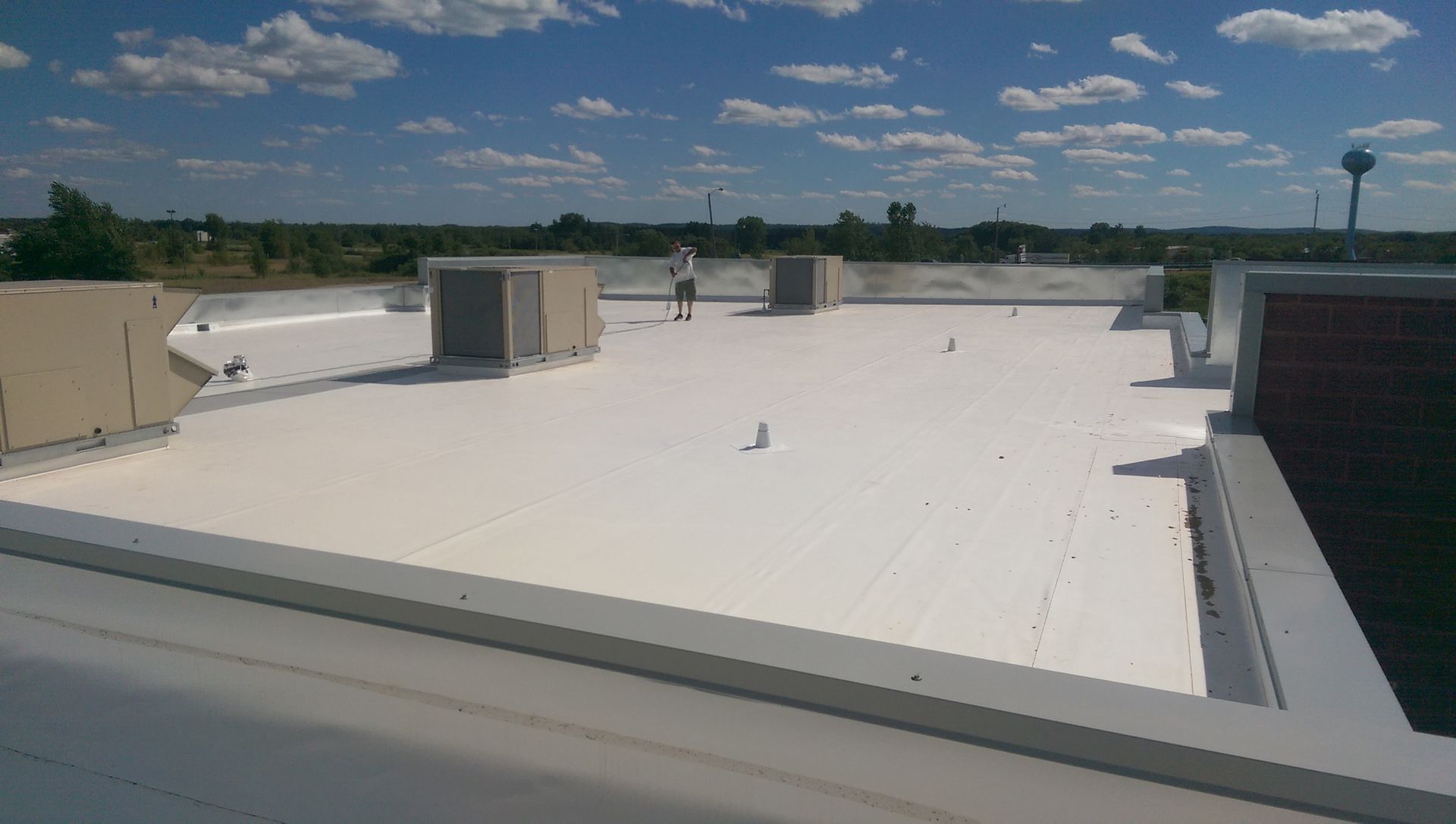
To compare liquid waterproofing systems effectively, one must resist the urge to view them as commodities. The industry is saturated with performance data that often overlooks the reality of on-site application. A common misunderstanding is that a membrane with higher tensile strength is inherently superior; in reality, excessive strength can lead to brittleness, causing the membrane to crack under the natural, cyclic movement of a concrete substrate. Oversimplifying these systems into “good” or “bad” categories ignores the necessary trade-offs between flexibility, hardness, UV stability, and cure speed.
The process of comparison requires a multi-perspective approach. One must consider the chemistries involved—polyurethane, polyurea, PMMA (polymethyl methacrylate), and epoxy-modified systems—and recognize that each behaves differently under environmental stressors. Furthermore, the risk of oversimplification is high when stakeholders assume a single system type is appropriate for every application. A resin that excels in a climate-controlled interior environment may fail rapidly on an exterior roof exposed to intense solar radiation. Therefore, the task of comparing these systems is fundamentally about matching the chemical profile of the material to the structural and atmospheric demands of the building envelope.
Deep Contextual Background
Compare liquid waterproofing systems the evolution of liquid-applied membranes mirrors the advancement of industrial polymer science. Early waterproofing relied on bitumen and asphalt—materials that, while effective, were plagued by thermal sensitivity, becoming brittle in winter and soft in summer. The emergence of synthetic liquid systems allowed for the creation of membranes that could bridge hairline cracks, adhere to irregular shapes, and provide seamless protection across large surface areas.
Systemically, this shift has been driven by the need for more complex building forms—cantilevered balconies, green roofs, and deep basement foundations. As structures grew more complex, the limitations of sheet membranes (which depend on lap joints and mechanical fasteners) became apparent. Liquid systems, by contrast, offer a continuous, monolithic barrier that eliminates the most common point of failure: the seam. This historical progression from mechanical sealing to chemical bonding represents a fundamental change in how we secure the structural integrity of the built environment.
Conceptual Frameworks and Mental Models Compare Liquid Waterproofing Systems
Navigating the choice of waterproofing involves several critical mental models:
-
The Elasticity-Movement Ratio: A membrane must have enough elongation to accommodate the substrate’s movement, but if it is too soft, it loses durability. The model dictates that flexibility must be calibrated to the expected thermal expansion of the material it covers.
-
The Vapor Permeability Gradient: Membranes often need to prevent liquid ingress while allowing vapor to escape, preventing the “blistering” effect caused by trapped moisture gas expansion.
-
The Monolithic Integrity Model: In this framework, the membrane’s strength is irrelevant if its bond to the substrate is compromised. The entire system is only as strong as its weakest point of adhesion.
-
The System Lifecycle Model: Rather than focusing on upfront costs, this model evaluates the “Total Cost of Ownership,” including the frequency of inspection and the complexity of repair when localized failure occurs.
Categories and Technical Variations
When professionals compare liquid waterproofing systems, they generally categorize them by their chemical backbone and curing mechanism.
The decision logic here is clear: for high-traffic, exterior surfaces, PMMA or high-grade aliphatic polyurethanes are typically required due to their durability and UV resistance. For basement foundations where hydrostatic pressure is high but UV is absent, lower-cost, highly flexible aromatic polyurethanes often suffice.
Decision Logic and Real-World Scenarios
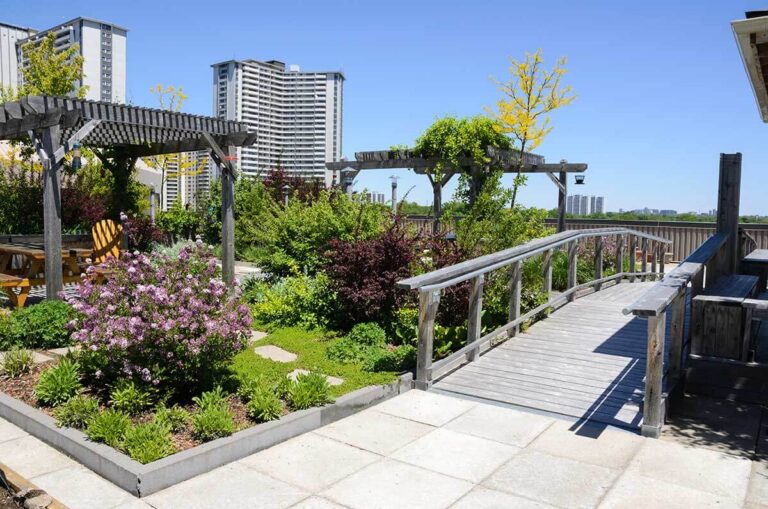
Compare liquid waterproofing systems consider a scenario involving a rooftop terrace. The constraints include high UV exposure, pedestrian traffic, and complex transitions between the deck and vertical parapets. A simple acrylic system would likely fail due to lack of abrasion resistance, whereas a two-component polyurea system might be overkill in terms of cost. The ideal selection is often a reinforced polyurethane or PMMA system that can be detailed into corners with reinforcement fabric, creating a robust, UV-stable surface.
In a different scenario—a subterranean parking garage—the primary failure mode is moisture infiltration through concrete cracks. The decision logic dictates a highly flexible, crack-bridging polyurethane membrane. Here, UV stability is irrelevant, allowing for the use of more cost-effective aromatic resins. Understanding these scenarios allows one to effectively compare liquid waterproofing systems based on the specific constraints of the project site.
Resource Dynamics and Cost Modeling Compare Liquid Waterproofing Systems
Investment in waterproofing is notoriously variable. Direct costs include the material and the labor for surface preparation, which often accounts for 50-70% of the total budget. Indirect costs arise from project delays, the need for specialized equipment (such as plural-component spray rigs), and the risk of future remedial work.
Relative Cost and Lifecycle Matrix
When we compare liquid waterproofing systems through this lens, it becomes evident that higher upfront investment in a premium system often results in lower long-term costs, especially when factoring in the avoidance of restorative maintenance.
Tools, Strategies, and Support Systems
A system is only as effective as its installation. Key elements include:
-
Concrete Moisture Meters: Vital for preventing delamination.
-
Mechanical Surface Preparation: Diamond grinding or shot blasting to ensure the membrane adheres to the substrate structure, not just the surface dust.
-
Reinforcement Fabric: Used at critical junctions (corners, flashings) to bridge stress points.
-
Wet Film Thickness (WFT) Gauges: Necessary for consistent quality control.
-
Detailing Kits: Premixed resins designed for vertical and horizontal transitions.
The Risk Landscape and Taxonomy of Failure Compare Liquid Waterproofing Systems
Taxonomically, failures usually fall into three buckets:
-
Substrate-Induced: High concrete pH or residual moisture content leading to adhesion loss.
-
Environmental-Induced: Thermal cycling leading to fatigue, or UV exposure causing molecular breakdown.
-
Procedural-Induced: Inadequate thickness, lack of proper mixing, or missed “recoat windows,” where the layers fail to chemically bond to one another.
Long-Term Governance and Maintenance
Waterproofing requires a governance cycle. An annual visual inspection should identify potential trouble spots—efflorescence, ponding, or hairline cracks in the surface finish. A layered checklist for maintenance includes verifying drainage outlets are clear, inspecting caulking at transitions, and monitoring for localized bubbling, which indicates trapped moisture or gas pressure.
Evaluation Metrics and Documentation Compare Liquid Waterproofing Systems
Evaluation requires both quantitative and qualitative signals. Leading indicators include moisture sensor data from beneath the membrane during installation, while lagging indicators include signs of water ingress or staining in the structure below. Documentation should be rigorous: “as-built” records must include the specific batch numbers, ambient temperature/humidity during application, and pre-application photos of the substrate preparation.
Common Misconceptions and Corrections
-
Myth: Waterproofing is a one-time fix. Correction: All membranes are part of a system that degrades over time and requires inspection.
-
Myth: All resins are compatible. Correction: Mixing different chemistries can lead to catastrophic chemical reaction and debonding.
-
Myth: Thicker is always better. Correction: Over-application can lead to cure inhibition and internal stresses within the membrane layer.
Conclusion Compare Liquid Waterproofing Systems
The ability to compare liquid waterproofing systems is essential for maintaining the integrity of modern structures. No single chemistry serves every purpose; rather, success lies in the alignment of material properties with project-specific demands. By focusing on adhesion, chemical compatibility, and disciplined installation, professionals can deploy systems that provide decades of reliable protection. The pursuit of long-term structural health is ultimately defined by this commitment to precision and the analytical rigor applied to the hidden, essential layers of the building envelope.