The Art of the Facade: A Critical Analysis of American Residential Character
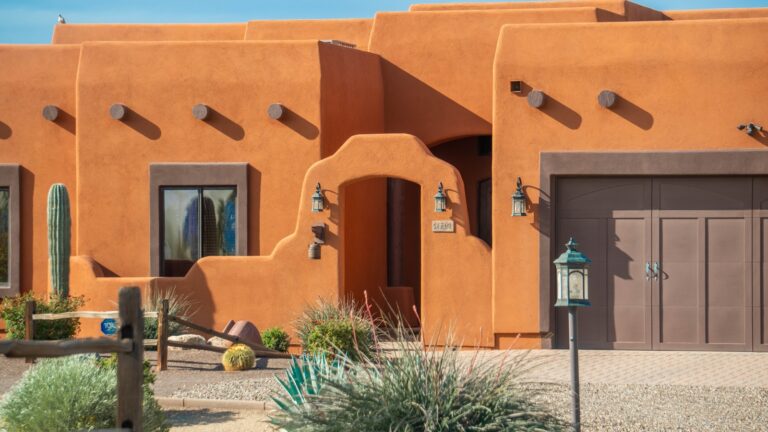
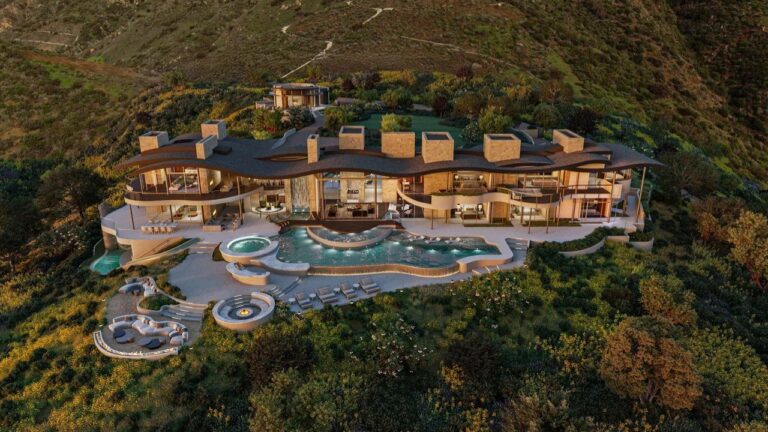
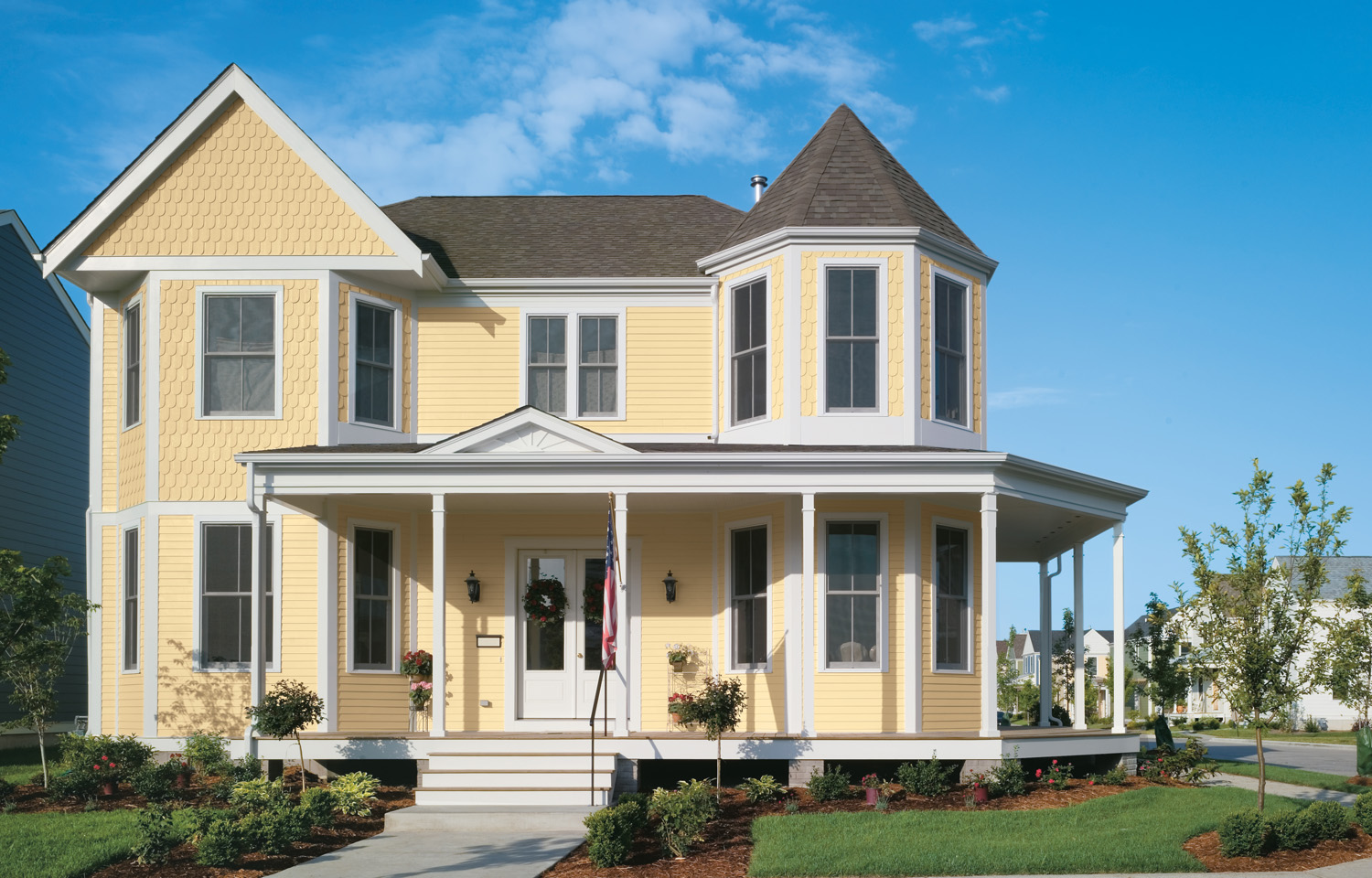
Best residential exterior aesthetics united states the American residential landscape is a vast, uncurated museum of historical impulses, economic shifts, and regional vernacular. From the austere, shingled profiles of the New England coastline to the low-slung, sun-bleached masonry of the Southwest, the visual identity of the American home is rarely a product of singular design. Instead, it is the result of layered intent—a dialogue between site constraints, material availability, and the changing cultural aspirations of the homeowner. To approach the topic of exterior design is to navigate a terrain where architectural integrity frequently clashes with the pressures of rapid development and market-driven homogeneity.
Discussions regarding residential exterior design often default to superficial trends, yet the longevity of an aesthetic depends on its alignment with climate, proportion, and tectonic honesty. A building that thrives visually in the Pacific Northwest—where moss-growth patterns and high precipitation demand specific cladding strategies—will inherently fail, both aesthetically and structurally, if transplanted to the arid plains of the Midwest. The challenge is not merely to select a pleasing palette of materials, but to understand the systemic requirements of a house as a protective skin.
Distinguishing between fleeting fads and enduring design necessitates a framework that prioritizes the interaction between structure and environment. When professionals deliberate on the best residential exterior aesthetics united states regions can sustain, they are essentially evaluating the equilibrium between human comfort and environmental resilience. This analysis seeks to move beyond the aesthetic surface, interrogating the decisions that define the visual character of the American home and the systemic risks inherent in pursuing visual trends at the expense of material permanence.
Table of Contents
Understanding “best residential exterior aesthetics united states”
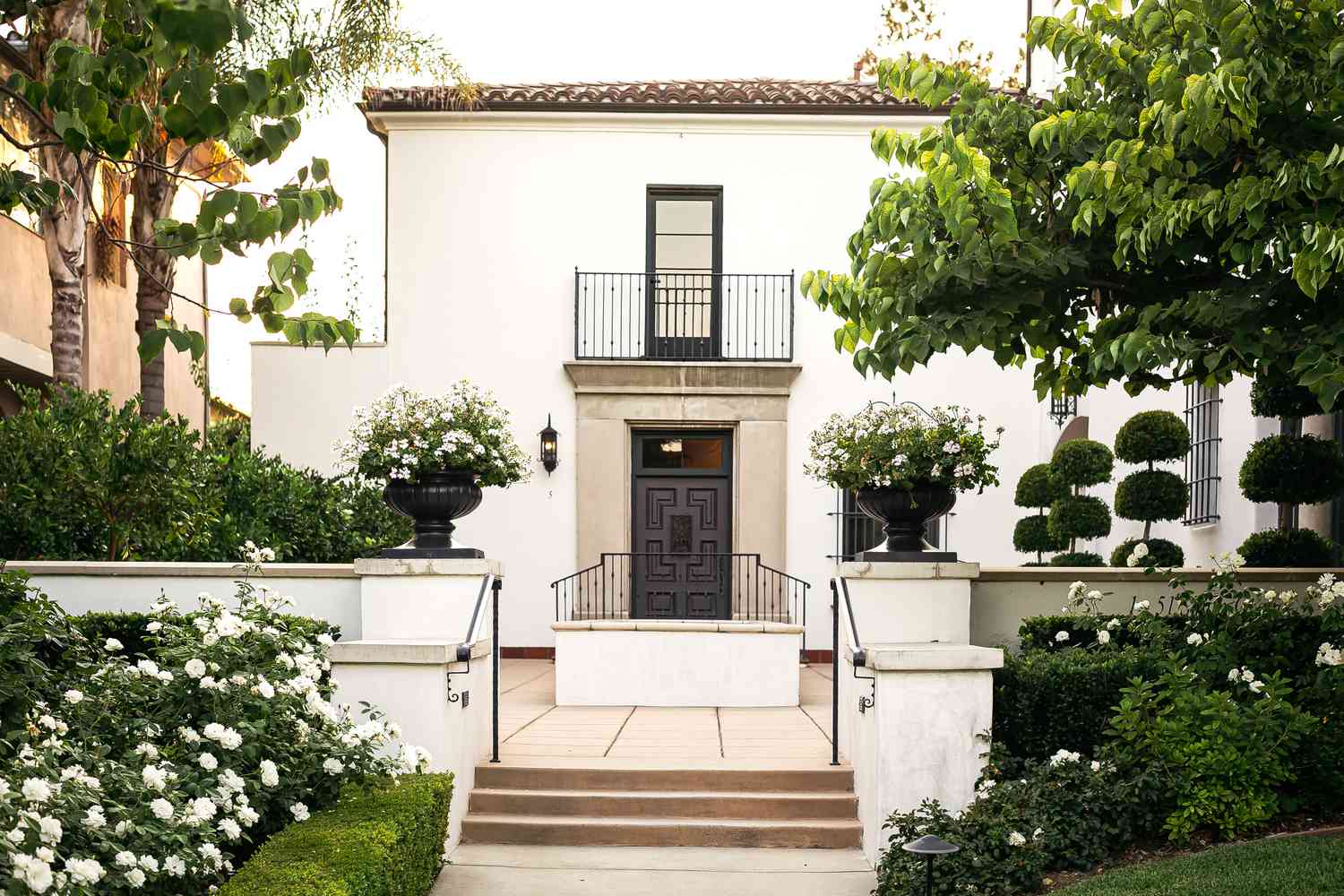
The search for the best residential exterior aesthetics united states geography allows for is a pursuit of harmony between context and tectonic expression. It is a mistake to view aesthetics as a veneer; they are, in fact, the physical manifestation of how a structure negotiates its climate. A home is a machine for living, and its exterior is the interface between the internal environment and the external climate.
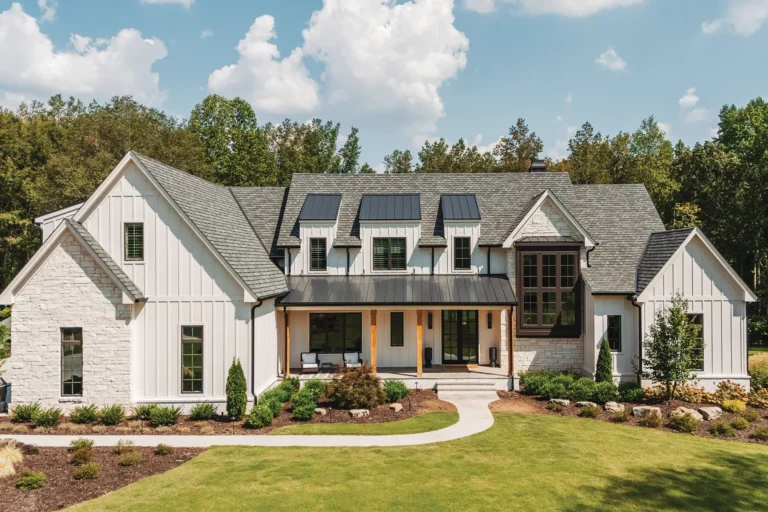
Common misunderstandings arise from the tendency to fetishize specific “looks”—such as the ubiquitous modern farmhouse or the suburban colonial—without considering the underlying structural rationale. An aesthetic is only as “best” as its ability to weather the unique stressors of its specific location. Oversimplification, such as the blind application of light-colored stucco in high-pollen, high-precipitation zones, leads to accelerated degradation. The true aesthetic merit of a structure is found in its “patina of resilience,” where the materials age in a way that reveals, rather than hides, their interaction with the elements.
Deep Contextual Background
Best residential exterior aesthetics united states historically, American residential aesthetics were dictated by available local resources. Brick emerged in the Mid-Atlantic because of regional clay deposits, while cedar shingles became the standard in the Northeast due to the availability of rot-resistant timber. The late 20th century, however, marked a departure from this regional vernacular. The industrialization of building materials—vinyl siding, stone veneer, and standardized framing—allowed for the widespread reproduction of aesthetics that bore no relation to their local environment.
This era of “aesthetic detachment” created a crisis of character in the built environment. Structures became increasingly insulated from their physical surroundings, leading to a rise in building envelope failures. As the industry currently navigates a return to more grounded, regionally responsive design, the best residential exterior aesthetics united states architects are now championing represent a synthesis of traditional material wisdom and modern performance standards.
Conceptual Frameworks and Mental Models Best Residential Exterior Aesthetics United States
Effective aesthetic decision-making requires the application of mental models that transcend personal preference:
-
The Tectonic Honesty Model: This model asserts that a building’s aesthetic should accurately reflect its structural function. If a material is used as a finish, it should either carry its own weight or be clearly articulated as a skin, avoiding the “false facade” trap.
-
The Climatic Response Framework: Design decisions should be indexed to environmental data. For example, high-contrast facades in high-glare environments are visually overwhelming; low-contrast, muted palettes may offer better visual and thermal stability.
-
The Scale-to-Context Ratio: A facade must be evaluated at three scales: the macro (the streetscape), the meso (the individual elevation), and the micro (the material texture). A design that succeeds at one scale but fails at another lacks cohesion.
-
Temporal Aging Analysis: Designers should consider the “20-year look” of a material. How will the surface oxidize, stain, or wear? An aesthetic that requires constant cleaning to remain “new” is inherently at odds with long-term architectural stability.
Key Categories and Trade-offs
The following categorization illustrates the trade-offs inherent in common exterior material systems.
| Category | Typical Material | Primary Trade-off |
| Masonry (Traditional) | Brick, Stone | High longevity; high embodied carbon |
| Organic Cladding | Cedar, Redwood | High aesthetic warmth; high maintenance demand |
| Performance Cladding | Fiber-cement | High durability; less authentic tactile quality |
| Industrial Metal | Standing-seam steel | Modern aesthetic; potential for thermal expansion noise |
| Mineral Finish | Lime plaster/Stucco | Excellent moisture breathability; high cracking risk |
Realistic Decision Logic
When evaluating options, the decision logic should begin with the site’s “decay potential.” In high-humidity regions, the priority must be a rainscreen system that prevents moisture accumulation behind the cladding. In high-UV zones, the focus must be on material color stability and thermal expansion management. The best residential exterior aesthetics united states homeowners often overlook are those that embrace the climate rather than fighting it.
Real-World Scenarios and Failure Modes Best Residential Exterior Aesthetics United States
-
The Coastal Rain-Screen Failure: A home on the Oregon coast utilizes stained wood siding without a ventilated air gap. The siding traps moisture against the structural sheathing, leading to hidden rot. The aesthetic, while initially pleasing, becomes a structural liability.
-
The Desert Thermal expansion: An Arizona home uses dark-toned metal panels without proper movement joints. The thermal expansion causes the panels to buckle, creating a noisy, visually distorted facade that necessitates total replacement within five years.
-
The Urban Humidity Stain: A light-colored stucco finish in the humid South lacks proper “drip edges” and flashing. Streaking and biological growth occur within the first year, ruining the intended visual character and requiring costly, repeated chemical washing.
Planning, Cost, and Resource Dynamics
Budgeting for aesthetics requires a shift in perspective from “initial cost” to “cost per year of service life.”
| Expense Type | Relative Impact | Consideration |
| Initial Material Outlay | Moderate | High-performance materials cost more upfront. |
| Installation Precision | High | Poor installation negates material quality. |
| Maintenance/Care | Variable | Organic materials require active stewardship. |
| Asset Depreciation | Low | High-quality, durable facades retain value better. |
The “best” aesthetic often involves a higher initial investment in high-quality raw materials, which is then offset by significantly lower long-term maintenance costs and higher market desirability.
Tools, Strategies, and Support Systems Best Residential Exterior Aesthetics United States
-
Rain-Screen Assemblies: Providing a ventilated gap behind cladding is the single most effective way to protect any exterior aesthetic.
-
Color Analysis Tools: Digital modeling to test how a building’s color shifts under different seasonal lighting conditions.
-
Mock-up Installations: Field-testing material samples on-site to observe how they weather in the specific micro-climate.
-
Thermographic Imaging: Monitoring the facade post-construction to identify hidden thermal bridges or moisture build-ups.
Risk Landscape and Failure Modes
Failure in aesthetic systems is rarely sudden; it is the compounding result of neglect and poor detailing.
-
Compounding Risks: A failure in the roof flashing allows water into the wall cavity, which then causes the siding to buckle, which then allows further water entry—a feedback loop of destruction.
-
Trend-Driven Obsolescence: Using a “trendy” but unproven material can make a home feel dated and functionally suspect in less than a decade.
-
Regulatory Friction: Municipal design guidelines or homeowner association rules may mandate traditional styles that are incompatible with modern high-performance materials, forcing designers into “aesthetic mimicry” that performs poorly.
Governance, Maintenance, and Long-Term Adaptation Best Residential Exterior Aesthetics United States
Residential aesthetics require a stewardship mindset. The best residential exterior aesthetics united states designs are those built for cyclical care.
-
Review Cycles: Conduct a biannual exterior survey, focusing on sealant integrity and material surface conditions.
-
Adjustment Triggers: Define thresholds for repainting, staining, or sealant replacement based on actual material performance rather than arbitrary dates.
-
Layered Checklist:
-
Inspect all flashing and drip edges.
-
Check for vegetation encroachment or biological growth.
-
Monitor expansion joints for cracking or sealant hardening.
-
Measurement, Tracking, and Evaluation
Success is measured by the aging process of the structure.
-
Leading Indicators: The precision of flashing details and the efficacy of the rainscreen ventilation.
-
Lagging Indicators: The number of repairs required for staining, buckling, or thermal cracking.
-
Documentation Example: An “Exterior Maintenance Log” that tracks the date, method, and products used for all facade work, ensuring future contractors have a clear history of the structure.
Common Misconceptions and Oversimplifications Best Residential Exterior Aesthetics United States
-
Myth: “Low maintenance” means “no maintenance.” Correct: All materials degrade; some just degrade at a rate that is visually acceptable.
-
Myth: A brick facade is always durable. Correct: Improper mortar selection can cause brick faces to spall, creating permanent damage.
-
Myth: You can mix any materials together. Correct: Dissimilar metals or materials with different expansion coefficients can cause structural failure.
-
Myth: Aesthetics are purely subjective. Correct: Proportion, rhythm, and material texture have clear physical and psychological impacts.
-
Myth: The most expensive material is the best. Correct: Material performance must be matched to environmental stress.
Conclusion
The pursuit of the best residential exterior aesthetics united states landscapes can offer is a process of reconciling human aspiration with environmental reality. It requires the professional to move past the superficial desire for a specific look and engage with the structural, climatic, and temporal requirements of the house as a physical object. By prioritizing material integrity, regional responsiveness, and a disciplined approach to maintenance, homeowners and designers can create environments that do not merely look good upon completion, but age with a grace that reinforces their value over decades. Architecture, when handled with this depth of intent, ceases to be a product of trend and becomes a permanent, evolving asset.