Systemic Failures: Avoiding Common Balcony Waterproofing Mistakes
Common balcony waterproofing mistakes the balcony serves as a critical junction in residential architecture, functioning simultaneously as a floor for outdoor leisure and a roof for the structure beneath it. Because it is exposed to the full spectrum of environmental stressors—thermal expansion, wind-driven rain, and freeze-thaw cycling—it is arguably the most vulnerable component of the building envelope. When waterproofing is executed without a profound respect for the physics of moisture management, the result is rarely a singular, dramatic failure. Instead, it is an insidious, long-term degradation that often goes unnoticed until the damage to the underlying slab and the interior finish is irreparable.
The industry is rife with shortcuts that promise economy at the expense of durability. These oversights are not born of malice, but of a systemic misunderstanding of how materials interact under stress. By failing to account for these dynamics, even well-intentioned projects become liabilities.
To avoid the pitfalls that plague modern construction, one must move past the surface-level marketing of “waterproof products” and analyze the assembly as a whole. This article provides an analytical breakdown of the systemic failures frequently encountered in balcony construction. By identifying these recurring issues, designers and contractors can shift their methodology from reactive repair to proactive, high-authority engineering that ensures the structural longevity of the balcony and the protection of the building it serves.
Table of Contents
Understanding “common balcony waterproofing mistakes”
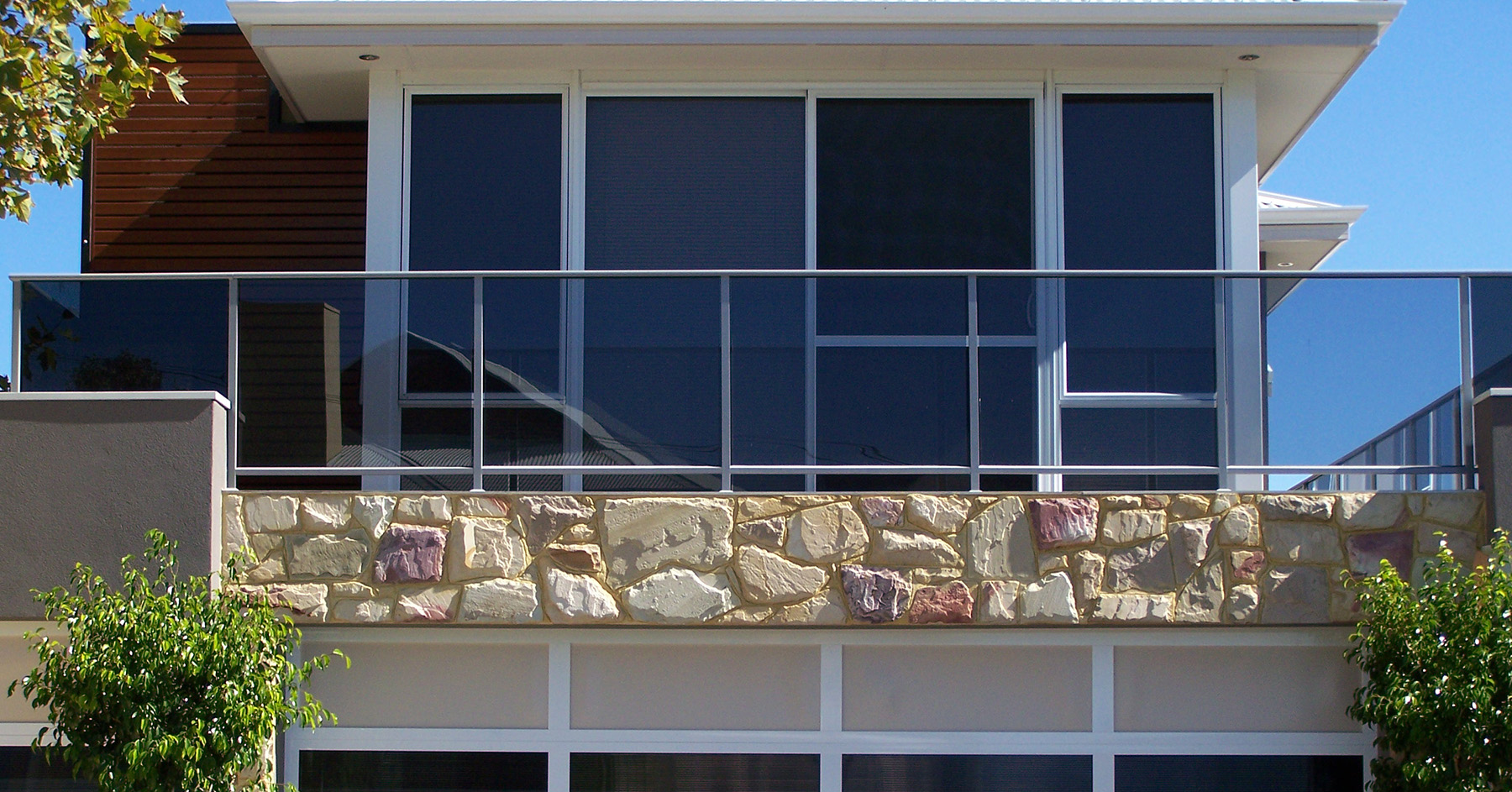
The investigation of common balcony waterproofing mistakes reveals that the vast majority of failures originate in the design phase, particularly when the balcony is treated as a simple slab rather than a complex envelope. A pervasive error is the assumption that tile and grout constitute the waterproofing system. In reality, grout is inherently porous; it is a decorative finish that inevitably allows water to pass through. When the secondary defense—the membrane—is either skipped or poorly detailed, water becomes trapped within the tile assembly. This leads to what engineers term the “bathtub effect,” where water saturates the mortar bed, inducing cycles of expansion and contraction that eventually pop the tiles and erode the concrete slab.
Another major hurdle is the oversimplification of the balcony’s perimeter. The transition where the balcony meets the wall of the building is the most frequent site of catastrophic water ingress. Many practitioners apply a standard sealant and consider the job complete, failing to account for the differential movement between the wall and the balcony slab. The common balcony waterproofing mistakes observed in this area are almost always related to a lack of proper flashing or the failure to incorporate a movement joint that can actually accommodate the thermal expansion of the materials. Without a sophisticated understanding of how these joints must be integrated into the membrane system, the seal is doomed to fail under the pressure of the building’s natural shifting.
Deep Contextual Background
Common balcony waterproofing mistakes historically, balcony construction relied on traditional bitumen and lead-based systems that were highly durable but rigid. As architectural trends shifted toward lighter, more cantilevered designs, the industry moved toward fluid-applied and sheet-applied polymer membranes. This evolution was intended to increase design flexibility and reduce installation time, but it also introduced higher sensitivity to site conditions. Modern membranes, while incredibly high-performing in ideal scenarios, have a narrow margin for error regarding substrate moisture content and application temperature.
Furthermore, the rise of large-format porcelain and stone veneers has placed immense pressure on the bond between the tile and the slab. These materials are non-porous and rigid, meaning they cannot alleviate any of the stress transferred from the substrate. The historical progression of these materials has outpaced the general understanding of the underlying waterproofing systems needed to support them. We have entered an era where the finishing materials are highly sophisticated, but the base-level waterproofing practices remain rooted in outdated, simplified methodologies that do not address modern structural demands.
Conceptual Frameworks and Mental Models
-
The Hydrostatic Relief Framework: Water will eventually bypass the primary surface. The design must provide a clear, unimpeded path for that water to exit the assembly—a concept often ignored, leading to trapped moisture and subsequent failure.
-
The Differential Movement Model: Different materials have different thermal expansion coefficients.
-
The Continuity Principle: A waterproofing system is only as strong as its weakest seam or penetration.
Key Categories and Technical Variations
When analyzing common balcony waterproofing mistakes, it is useful to categorize failures by their primary mechanism.
The decision logic here involves acknowledging that these categories rarely exist in isolation. A failure to slope the balcony correctly (a drainage issue) will inevitably lead to standing water that accelerates the degradation of a poorly detailed edge (a flashing issue).
Real-World Scenarios and Decision Logic Common Balcony Waterproofing Mistakes
Consider a balcony designed for a high-rise condominium in a coastal climate. The design team overlooks the impact of salt-air corrosion on the metal flashing details. Two years later, the flashing begins to rust, creating gaps in the waterproofing envelope. This is one of the common balcony waterproofing mistakes that stems from a failure to account for local environmental chemistry.
In another scenario, a residential contractor decides to “save time” by installing the membrane over a damp concrete slab. The manufacturer’s data sheet clearly stated that the moisture content must be below a specific percentage, but the contractor relied on a visual inspection of the slab. Within one season, the moisture trapped under the membrane prevents it from fully curing, leading to blistering and eventual total failure of the bond. The logic error here is the prioritization of schedule over physical material requirements.
Planning, Cost, and Resource Dynamics
Waterproofing often suffers from “budgetary dilution,” where costs are shaved off the waterproofing line item to accommodate more visible finishes. This is a false economy.
The opportunity cost of failing to invest in high-quality detailing is not just the repair cost; it is the secondary damage to the building structure, which can be an order of magnitude more expensive than the original installation.
Tools, Strategies, and Support Systems
-
Moisture Meters: Essential for verifying substrate readiness before membrane application.
-
Flood Testing: Performing a 24–48 hour ponding test before tile installation is the only way to confirm watertightness.
-
Trowel Coverage Verification: Using the proper trowel size and back-buttering techniques to ensure 95%+ coverage is non-negotiable.
-
Perimeter Movement Profiles: Utilizing pre-manufactured movement joint profiles to manage stress at the wall interface.
-
Membrane Protection Boards: Temporarily protecting the cured membrane during the tile-laying phase to prevent accidental punctures.
Risk Landscape and Failure Modes Common Balcony Waterproofing Mistakes
The primary taxonomy of failure is the compounding nature of these errors. The compounding effect of these common balcony waterproofing mistakes means that the moisture remains in the assembly for extended periods, leading to the oxidation of reinforcing steel, which swells and eventually causes the concrete to spall—a structural repair that requires specialized engineering to resolve.
Governance, Maintenance, and Long-Term Adaptation
Maintenance of the balcony must be viewed as an active management process rather than a passive one. This includes a seasonal review of all sealant joints, which are the most likely points of fatigue. As a system ages, sealants lose their plasticity and pull away from the surfaces they were meant to bond. A layered checklist—inspecting for cracks, testing perimeter integrity, and verifying that weep holes remain unobstructed—should be performed at least twice a year to identify issues before they manifest as leaks.
Measurement, Tracking, and Evaluation Common Balcony Waterproofing Mistakes
-
Leading Indicators: Documenting substrate moisture content and bond-strength tests (pull-off tests) prior to membrane application.
-
Lagging Indicators: Observational evidence of efflorescence on the balcony underside or the “drumming” sound of hollow tiles on the deck.
Common Misconceptions and Oversimplifications
-
“A coat of paint is waterproof”: Surface sealers are not membranes; they cannot bridge structural cracks.
-
“Tile is the primary barrier”: Tile is a finish; it is permeable and expects water to pass through.
-
“Sloping doesn’t matter if the membrane is good”: Standing water will eventually degrade any membrane, regardless of its quality.
-
“Fasteners don’t need sealing”: Every hole in a membrane, including railing bolt holes, is a primary entry point for water.
-
“One size fits all membranes”: A membrane that works for a small, shaded deck will fail on a massive, south-facing sun-deck.
Ethical and Contextual Considerations Common Balcony Waterproofing Mistakes
The ethical burden in this domain is the stewardship of the building’s structural integrity. Designers and contractors have a responsibility to educate clients on why the “cheaper” method—skipping the movement joints or using a lower-grade membrane—is not a viable path. Providing a balcony that will require a full tear-down within a decade due to avoidable oversights is a fundamental failure of professional duty. Transparency regarding the risks of specific construction choices is a cornerstone of ethical practice.
Synthesis and Strategic Judgment
The identification of common balcony waterproofing mistakes serves as a foundation for a more rigorous, engineered approach. True success in balcony construction is achieved by recognizing the balcony as an active, structural system, not just a floor. It demands that we prioritize the integrity of the details over the speed of the finish. The judgment required to avoid these errors is the patience to execute the preparation correctly, regardless of the pressure to finish.